Intrauterine insemination (IUI) and sperm washing are two common fertility treatments used by couples who are having difficulty conceiving. Both methods aim to increase the chances of pregnancy by helping sperm reach and fertilize the egg. While they may have a similar goal, the process and effects on the body are quite different. In this blog post, we will explore the differences between IUI and sperm washing and their effects on the body.
What is Intrauterine Insemination (IUI)?
Intrauterine insemination, also known as artificial insemination, is a fertility treatment that involves placing sperm directly into a woman’s uterus during her ovulation period. The procedure is relatively simple and non-invasive, making it a popular choice for couples struggling with fertility issues. It is often recommended for couples with unexplained infertility, mild male factor infertility, or when using donor sperm.
The process of IUI starts with the male partner providing a semen sample. The sample is then washed to separate the sperm from other components, such as semen, mucus, and dead sperm. This washing process helps to improve the quality and concentration of the sperm to increase the chances of fertilization. The washed sperm is then placed into a catheter and inserted into the woman’s uterus through the cervix. This procedure is usually painless and can be done in a doctor’s office.
Effects on the Body: Intrauterine Insemination
IUI is a relatively simple and safe procedure, with minimal side effects. Some women may experience mild cramping during or after the procedure, but these symptoms usually subside within a few hours. There is also a small risk of infection or damage to the cervix, but these complications are rare.
One of the main effects of IUI on the body is the increase in the number of sperm cells that reach the fallopian tubes. As the sperm is placed directly into the uterus, it bypasses the cervix and eliminates any barriers that may prevent the sperm from reaching the egg. This increases the chances of fertilization and pregnancy.
What is Sperm Washing?
Sperm washing is a procedure that involves separating the sperm from other components in the semen, such as dead sperm, mucus, and prostaglandins. The washed sperm is then used for insemination or in vitro fertilization (IVF). Sperm washing is often recommended for couples with male factor infertility, where the sperm count, motility, or quality is low.
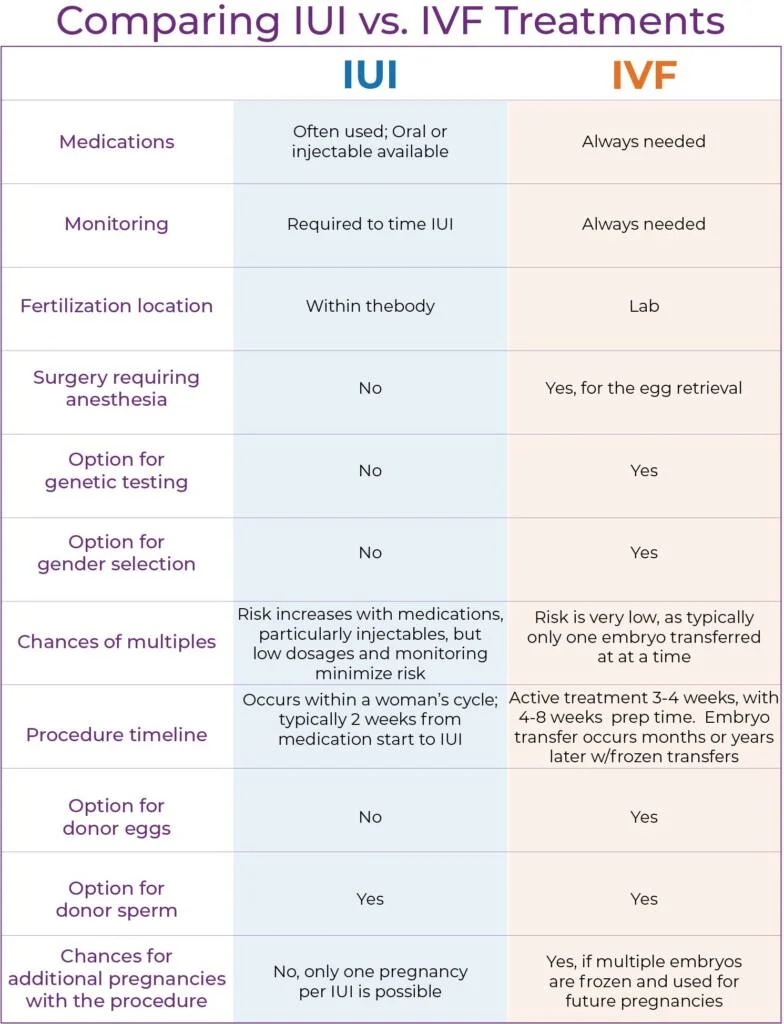
The Effects on the Body: Intrauterine Insemination vs Sperm Washing
The process of sperm washing is similar to that of IUI, where the semen sample is collected and washed to improve the quality and concentration of the sperm. However, the main difference is that the washed sperm is used for IVF instead of being directly placed into the uterus.
Effects on the Body: Sperm Washing
Sperm washing has similar effects on the body as IUI, as it also increases the number of sperm cells that reach the fallopian tubes. However, it is often used in conjunction with IVF, which involves more invasive procedures, such as egg retrieval and embryo transfer. Therefore, the effects on the body may be more significant and include potential side effects from fertility medications used during the IVF process.
Comparing Intrauterine Insemination and Sperm Washing
Both IUI and sperm washing aim to increase the chances of pregnancy by improving the quality and concentration of sperm. However, there are some key differences between the two methods. The main difference is the placement of the sperm and the intended use. In IUI, the washed sperm is placed directly into the uterus, while in sperm washing, it is used for IVF.
Another difference is the success rates. IUI has a success rate of around 10-20% per cycle, while sperm washing combined with IVF has a success rate of 40-50% per cycle. This is because IVF involves more invasive procedures and allows for the selection of the healthiest sperm and eggs.
Summary
Intrauterine insemination and sperm washing are two common fertility treatments used to increase the chances of pregnancy. IUI involves placing sperm directly into the uterus, while sperm washing is used for IVF. Both methods have minimal side effects and aim to improve the quality and concentration of sperm. However, the success rates and intended use differ between the two methods.
In conclusion, IUI and sperm washing are both effective fertility treatments, but their effects on the body and success rates may vary. It is essential to consult with a fertility specialist to determine which method is best for you and your partner.