The Role of the Sperm: How Intrauterine Insemination and Sperm Washing Differ
When it comes to fertility treatments, many people are familiar with in vitro fertilization (IVF). However, there are other assisted reproductive technologies (ART) that can help couples struggling with infertility. Intrauterine insemination (IUI) and sperm washing are two methods that involve the use of sperm to achieve pregnancy. But how do these two techniques differ and what role does sperm play in each? In this blog post, we will explore the role of sperm in IUI and sperm washing and how they differ in the process of fertility treatment.
What is Intrauterine Insemination (IUI)?
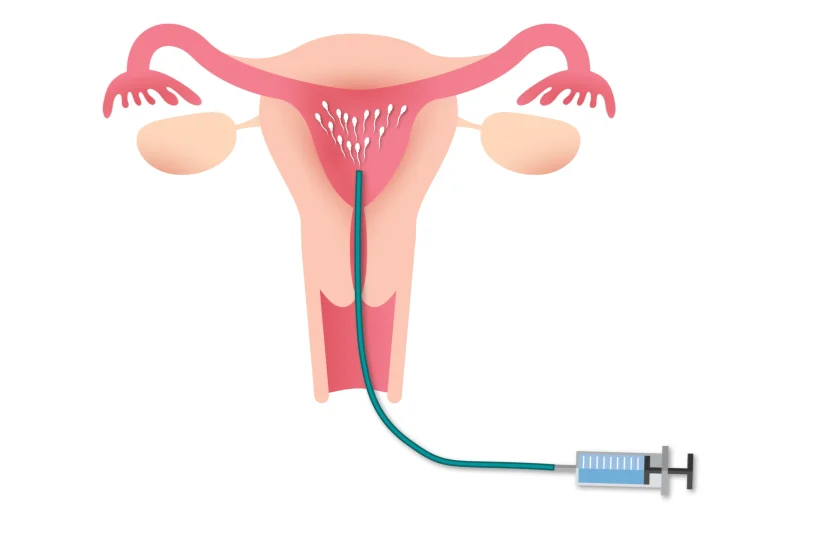
Intrauterine insemination, also known as artificial insemination, is a fertility treatment that involves placing sperm into a woman’s uterus during the time of ovulation. This procedure is often recommended for couples who have been trying to conceive for at least a year with no success, or for those who have certain fertility issues such as low sperm count or cervical mucus problems.
The Role of Sperm in IUI
In IUI, the quality and quantity of sperm play a crucial role in the success of the procedure. Sperm should be healthy, with good motility (ability to move) and morphology (shape). This is because the sperm needs to swim through the cervix, into the uterus, and finally reach the fallopian tubes where fertilization takes place.
Before the procedure, the sperm sample is washed and prepared in a laboratory. This involves separating the sperm from the semen and eliminating any dead or abnormal sperm. The washed sperm is then concentrated and placed into a catheter, a thin and flexible tube, which is then inserted into the uterus through the cervix. This allows the sperm to bypass the cervix and have a better chance of reaching the egg.
The success rate of IUI is greatly affected by the quality of the sperm used. If the sperm is of poor quality, the chances of fertilization and pregnancy are reduced. Therefore, it is important for men to have a semen analysis done before undergoing IUI to ensure that their sperm is healthy and suitable for the procedure.
What is Sperm Washing?
Sperm washing is a technique that is used to separate healthy sperm from the semen. It is often used in conjunction with IUI, but can also be used in other fertility treatments such as IVF. The procedure involves removing the sperm from the semen and then preparing it for use in fertility treatments.
The Role of the Sperm: How Intrauterine Insemination and Sperm Washing Differ
The Role of Sperm in Sperm Washing
The main role of sperm in sperm washing is to be separated from the semen and prepared for use in fertility treatments. This process is important because it eliminates contaminants and increases the concentration of healthy sperm. The washed sperm is then used in IUI or IVF to increase the chances of successful fertilization.
The process of sperm washing involves several steps. First, the semen sample is collected and allowed to liquefy. Then, the sperm is separated from the semen using a centrifuge, a machine that spins the sample at high speeds. This separates the sperm from the semen, which contains other fluids and cells. The sperm is then washed with a special solution to remove any impurities and increase its concentration. The final step involves checking the quality and quantity of the sperm before it is used in fertility treatments.
How Do IUI and Sperm Washing Differ?
The main difference between IUI and sperm washing is the purpose of each procedure. IUI is a fertility treatment that involves placing sperm into the uterus to increase the chances of fertilization, while sperm washing is the process of separating and preparing sperm for use in fertility treatments.
Another difference is the location where the sperm is placed. In IUI, the sperm is placed directly into the uterus, while in sperm washing, the sperm is used in different fertility treatments such as IUI or IVF.
Additionally, IUI and sperm washing differ in terms of the role of the sperm. In IUI, the sperm plays a crucial role in reaching and fertilizing the egg, while in sperm washing, the sperm is simply prepared for use in fertility treatments.
Summary
In summary, sperm plays a crucial role in both intrauterine insemination (IUI) and sperm washing in fertility treatments. In IUI, healthy sperm is placed directly into the uterus to increase the chances of fertilization, while in sperm washing, the sperm is separated and prepared for use in different fertility treatments. The quality and quantity of sperm are important factors in the success of both procedures. It is important for men to have a semen analysis done before undergoing these treatments to ensure the best chances of success.
In conclusion, understanding the role of sperm in IUI and sperm washing is important for couples who are considering fertility treatments. With advances in assisted reproductive technology, these procedures offer hope to those struggling with infertility, and the role of sperm is a crucial factor in achieving a successful pregnancy.