Category: Uncategorized

  • Intrauterine Insemination vs Timed Intercourse: Which is the Best Option for Fertility Treatment?

    Intrauterine insemination (IUI) and timed intercourse are two commonly used fertility treatments for couples struggling with infertility. Both methods have their own set of pros and cons, and it can be overwhelming for couples to decide which one is the best option for them. In this blog post, we will delve deeper into the details of IUI and timed intercourse to help you understand the differences between the two and determine the best course of action for your fertility treatment.

    Intrauterine insemination, also known as artificial insemination, is a fertility treatment where sperm is placed directly into a woman’s uterus during her ovulation period. This procedure is typically done in a doctor’s office and involves washing and preparing the sperm to increase the chances of fertilization. Timed intercourse, on the other hand, is a method where couples have intercourse during the woman’s ovulation period in hopes of natural fertilization.

    To better understand which option is best for you, let’s take a closer look at the process, success rates, and pros and cons of both IUI and timed intercourse.

    Process:

    The process of IUI involves several steps, starting with monitoring the woman’s ovulation cycle through blood tests and ultrasounds. Once the ovulation is confirmed, the sperm is collected and washed to increase its concentration before being inserted directly into the uterus using a catheter. The procedure is relatively quick and painless, and the woman can resume her daily activities immediately after.

    On the other hand, timed intercourse does not involve any medical procedures. It simply requires couples to track the woman’s ovulation using ovulation prediction kits or monitoring basal body temperature. Once ovulation is detected, couples can have intercourse during the woman’s fertile window, which typically lasts for five days.

    Success Rates:

    The success rates of both IUI and timed intercourse vary depending on factors such as age, overall health, and the cause of infertility. Generally, IUI has a higher success rate compared to timed intercourse, with an average success rate of 10-20% per cycle. However, this success rate can increase if combined with fertility drugs or other assisted reproductive techniques. Timed intercourse has a lower success rate of around 5-10% per cycle, but it does not require any medical intervention, making it a less invasive and more affordable option.

    Pros and Cons:
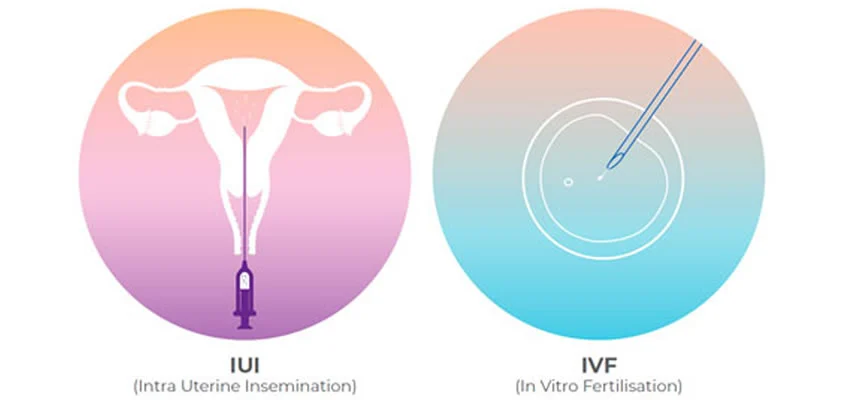
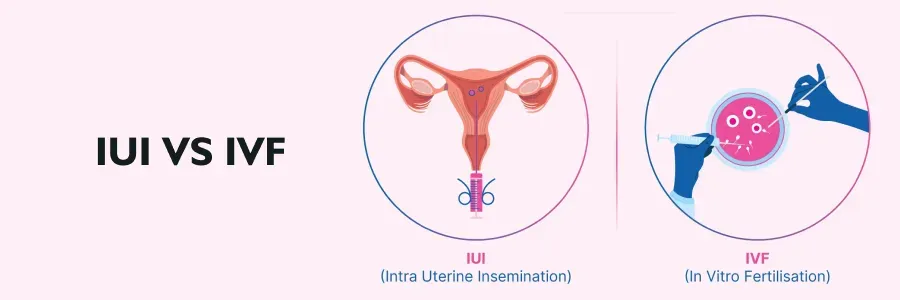
    comparison of IUI and IVF procedures illustrated with simple graphics and labels

    Intrauterine Insemination vs Timed Intercourse: Which is the Best Option for Fertility Treatment?

    One of the main advantages of IUI is that it increases the chances of fertilization by placing the sperm directly into the uterus, bypassing any potential obstacles in the cervix. This method is also less invasive than other fertility treatments such as in vitro fertilization (IVF). However, it does require multiple visits to the doctor’s office, which can be time-consuming and costly. Additionally, IUI may not be suitable for certain medical conditions such as severe male factor infertility or blocked fallopian tubes.

    Timed intercourse, on the other hand, is a natural and less invasive method of fertility treatment. It also allows couples to have a more active role in the process and can be done in the comfort of their own home. However, timed intercourse relies heavily on accurately tracking ovulation, which can be stressful and may not always result in pregnancy. It also does not address any underlying fertility issues that may be causing infertility.

    So, which option is the best for you?

    The answer to this question ultimately depends on your individual circumstances. If you have been trying to conceive for a while without success and have no known fertility issues, timed intercourse may be a good starting point. It is a less invasive and more affordable option that may be successful for some couples.

    If you have been diagnosed with infertility or have certain medical conditions that may interfere with natural conception, IUI may be a better option. It also has a higher success rate compared to timed intercourse and can be combined with fertility drugs to further increase the chances of pregnancy.

    In some cases, your doctor may recommend a combination of both treatments to optimize your chances of conceiving. It is essential to consult with a fertility specialist to determine the best course of action for your specific situation.

    In conclusion, both IUI and timed intercourse are viable options for fertility treatment, but they have their own set of pros and cons. It is important to understand the process, success rates, and potential risks of each method and consult with a fertility specialist to determine the best option for you.

    Summary:

    Intrauterine insemination (IUI) and timed intercourse are two commonly used fertility treatments. IUI involves placing sperm directly into the uterus during ovulation, while timed intercourse relies on natural conception during the woman’s fertile window. While IUI has a higher success rate, timed intercourse is less invasive and more affordable. The best option for each couple depends on individual circumstances, and a fertility specialist can help determine the most suitable treatment plan.
  • The Power of Love: Same-Sex Couples and the Journey to Parenthood Through Home Insemination and IVF

    The Power of Love: Same-Sex Couples and the Journey to Parenthood Through Home Insemination and IVF

    For many same-sex couples, the journey to parenthood can be a long and often challenging road. While adoption and surrogacy are common options, many couples also turn to home insemination and in vitro fertilization (IVF) to start their families. These methods, though not without their own obstacles, have become more accessible and popular for same-sex couples in recent years. In this blog post, we will explore the power of love that drives same-sex couples on their journey to parenthood, and how home insemination and IVF have provided a pathway to creating their own families.

    The Struggle for Parenthood

    For decades, same-sex couples have faced numerous legal and cultural barriers when it comes to starting a family. Many countries still do not recognize same-sex partnerships, making adoption and surrogacy difficult or impossible. In the United States, where same-sex marriage is now legal, there are still challenges in the adoption process for same-sex couples, including discrimination from adoption agencies and the high costs associated with private adoptions. For many couples, these hurdles can make the dream of parenthood seem out of reach.

    However, the desire to have a family and raise children is a universal one, and same-sex couples have not let these barriers stop them. In fact, many have found alternative paths to parenthood through home insemination and IVF.

    The Rise of Home Insemination

    Home insemination, also known as at-home insemination, is a method where sperm is manually inserted into the partner’s vagina using a syringe or a menstrual cup. This method was once primarily used by heterosexual couples struggling with infertility, but it has become a popular option for same-sex couples as well.

    One of the main advantages of home insemination is its accessibility and affordability. Unlike other methods, such as intrauterine insemination (IUI) or IVF, it can be done in the comfort of one’s own home without the need for medical intervention. This not only eliminates the high costs associated with medical procedures but also allows same-sex couples to have more control over the timing and frequency of inseminations.

    Another benefit of home insemination is the ability for both partners to be actively involved in the process. In contrast to assisted reproductive techniques where only one partner carries the child, home insemination allows both partners to have a biological connection to the baby. This can greatly enhance the emotional bond and sense of parenthood for both partners.

    However, home insemination also has its challenges. Without the guidance and expertise of a medical professional, there is a higher risk of infection or improper insemination. It also requires a lot of patience and perseverance, as it may take multiple attempts before a successful pregnancy is achieved.

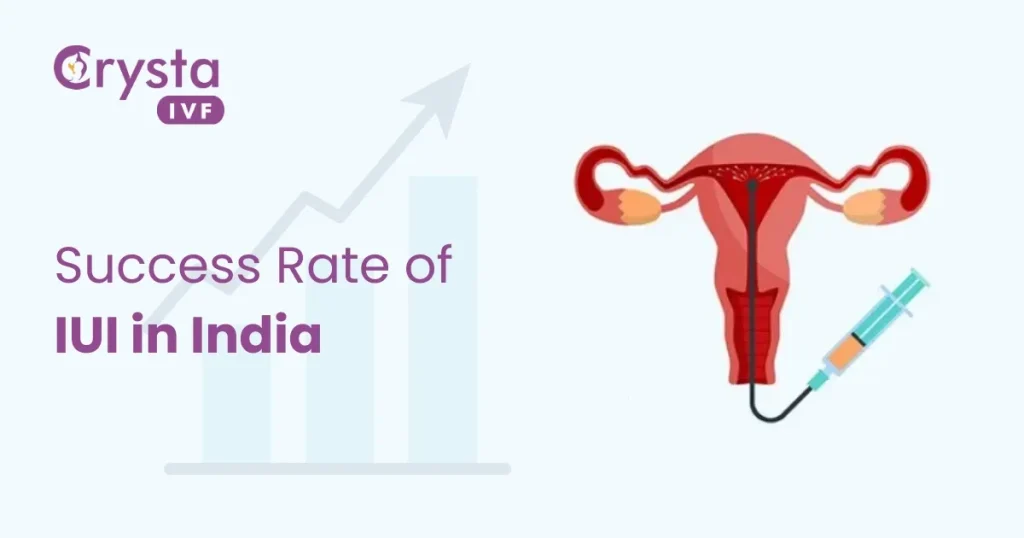
    success rate of IUI in India with a graphic of a uterus and syringe alongside a rising graph

    The Power of Love: Same-Sex Couples and the Journey to Parenthood Through Home Insemination and IVF

    The Role of IVF

    In vitro fertilization (IVF) is another option for same-sex couples looking to start a family. This method involves the fertilization of an egg and sperm in a laboratory, and the resulting embryo is then transferred into the uterus of one partner or a gestational carrier.

    Unlike home insemination, IVF is a more complex and expensive process. It requires a team of medical professionals and involves various steps, including hormone injections, egg retrieval, fertilization, and embryo transfer. However, IVF offers a higher success rate than home insemination, making it a popular choice for same-sex couples who have been struggling to conceive.

    One of the main advantages of IVF is the ability to use donor sperm or donor eggs, which can be crucial for same-sex couples. This allows couples to have a biological connection to their child and also provides options for genetic testing and screening for potential health issues.

    The Emotional Journey

    While home insemination and IVF provide a pathway to parenthood for same-sex couples, the journey is not without its emotional challenges. The process of conceiving a child can be physically and emotionally exhausting, and the added stress of navigating societal and legal barriers can take a toll on couples.

    Furthermore, same-sex couples may also face discrimination and judgment from others throughout their journey. They may have to deal with insensitive comments or questions about their choice to have a family, and may even face obstacles in accessing fertility treatments due to their sexual orientation.

    However, the power of love and the desire to have a family often outweigh these challenges. Same-sex couples are determined and resilient, and they have proven that love knows no bounds when it comes to creating a family.

    In Conclusion

    The journey to parenthood for same-sex couples is not an easy one, but the power of love has driven them to overcome numerous obstacles. Home insemination and IVF have provided a pathway to parenthood, allowing couples to have a biological connection to their child and fulfill their dream of having a family. While there are still many challenges and struggles faced by same-sex couples on this journey, their love and determination continue to pave the way for a more inclusive and accepting society.

    SEO metadata:

  • Breaking Down Gender Roles: Same-Sex Couples and Home Insemination vs IVF

    Breaking Down Gender Roles: Same-Sex Couples and Home Insemination vs IVF

    Gender roles have long been a topic of discussion and debate in society. Traditional gender roles dictate that men are the breadwinners and women are the caretakers of the home and children. However, as society progresses and becomes more accepting of diverse lifestyles, these roles are being challenged and redefined. One area where this is especially evident is in same-sex couples and their journey to parenthood. In this blog post, we will explore the options available to same-sex couples for starting a family, specifically comparing home insemination and IVF.

    Same-sex couples face unique challenges when it comes to starting a family. Unlike heterosexual couples, they do not have the option of conceiving a child naturally. This has led many same-sex couples to turn to alternative methods such as home insemination and IVF.

    Home insemination, also known as self-insemination, involves using a syringe or other device to deposit sperm into the vagina or cervix. This method can be done at home without the help of a medical professional. On the other hand, IVF, or in vitro fertilization, is a medical procedure where eggs are retrieved from the female partner and fertilized with sperm in a laboratory. The resulting embryos are then transferred into the uterus.

    The decision between home insemination and IVF is a personal one and depends on various factors such as financial constraints, personal preferences, and medical conditions. However, both methods have their own set of advantages and disadvantages, which we will explore in this blog post.

    Home Insemination:

    One of the main advantages of home insemination is its accessibility and affordability. Same-sex couples can purchase a home insemination kit online or at a local pharmacy and perform the procedure in the comfort of their own home. This eliminates the need for expensive medical procedures and appointments.

    Another advantage is that home insemination allows for more control over the process. Couples can choose the timing of the insemination and can try multiple times without the added cost of medical procedures.

    However, there are also some challenges and risks associated with home insemination. One of the main concerns is the lack of medical supervision. Without the guidance of a healthcare professional, there is a higher risk of infection or complications. Additionally, home insemination does not guarantee success and can be emotionally taxing for couples if they do not achieve the desired result.

    IVF:

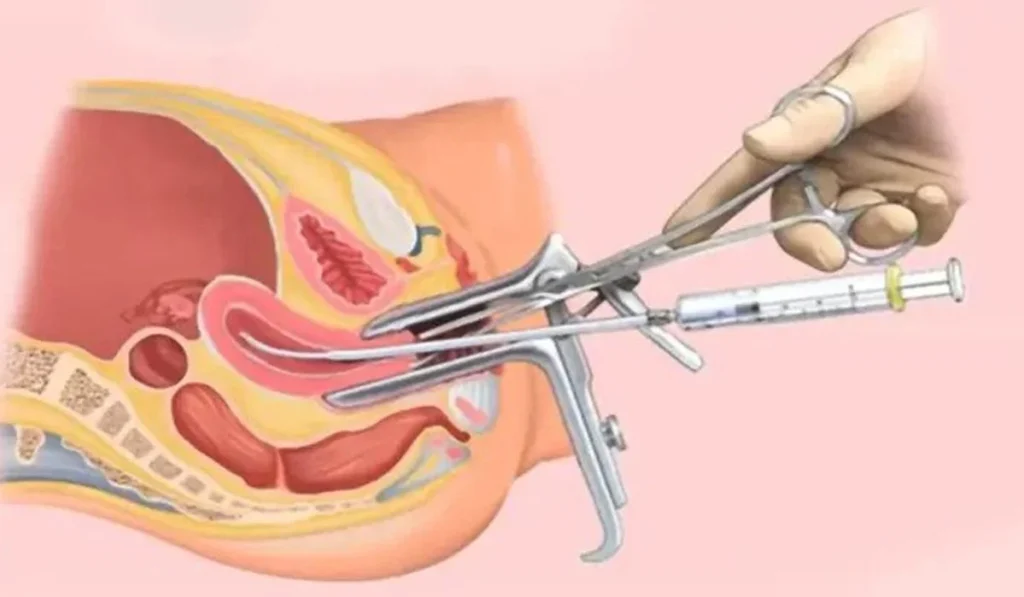
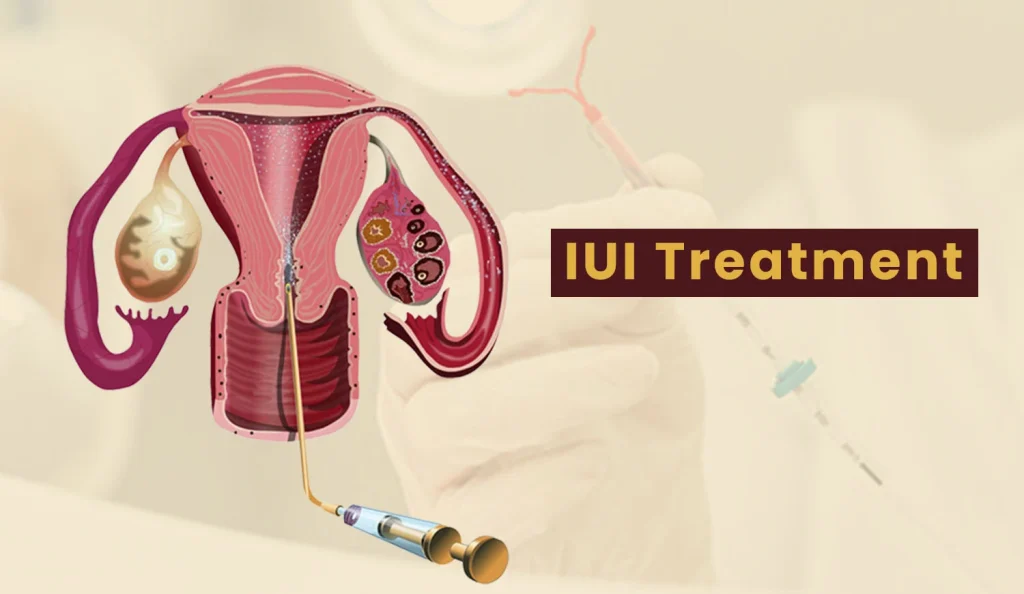
    illustration of the uterus and ovaries with a syringe, labeled "IUI Treatment" in the background

    Breaking Down Gender Roles: Same-Sex Couples and Home Insemination vs IVF

    IVF, on the other hand, is a more complex and expensive method of conception. It involves multiple medical procedures, including hormone injections, egg retrieval, and embryo transfer. This can be a daunting and overwhelming process for some same-sex couples, but it also comes with some significant advantages.

    One of the main advantages of IVF is its high success rates. According to the Centers for Disease Control and Prevention, the success rates for IVF range from 20-35% per cycle, depending on the age of the woman. This is significantly higher than the success rates of home insemination.

    Additionally, IVF allows for pre-implantation genetic testing, which can screen for genetic disorders and chromosomal abnormalities in embryos. This can help same-sex couples ensure the health of their future child.

    However, IVF also has its challenges and limitations. As mentioned earlier, it is a costly process, with one cycle costing tens of thousands of dollars. This can be a significant barrier for many same-sex couples. Furthermore, IVF may not be an option for couples with underlying medical conditions that make it difficult to conceive.

    Breaking Down Gender Roles:

    Now that we have explored the options available to same-sex couples, let’s take a closer look at how these methods can challenge traditional gender roles.

    Home insemination, in particular, allows for same-sex couples to break away from traditional gender roles. In a heterosexual relationship, the man is typically seen as the one who provides the sperm for conception. However, in same-sex couples, this role can be shared between both partners, allowing for a more equal distribution of responsibility.

    Furthermore, home insemination allows for same-sex female couples to experience pregnancy and childbirth, something that was not possible before these alternative methods were available. This challenges the traditional notion of motherhood and allows for a more inclusive definition of what it means to be a parent.

    On the other hand, IVF may not challenge traditional gender roles as much as home insemination. This is because the procedure still requires a male partner or donor for sperm, reinforcing the idea that a child needs a biological father figure.

    In Summary:

    In conclusion, same-sex couples have various options for starting a family, including home insemination and IVF. Home insemination offers accessibility and control, while IVF boasts higher success rates and genetic testing capabilities. These alternative methods also have the potential to challenge traditional gender roles and redefine what it means to be a parent. Ultimately, the decision between home insemination and IVF should be based on personal circumstances and preferences.

  • Same-Sex Couples and Genetic Screening: Understanding the Process in Home Insemination and IVF

    Blog Post:

    Same-sex couples have been gaining more visibility and acceptance in recent years, and with that, the desire to start a family has become a reality for many of them. However, for same-sex couples, starting a family may require more planning and consideration than for heterosexual couples. Genetic screening, in the context of home insemination and IVF, is an important step that must be understood and carefully navigated by same-sex couples.

    Genetic screening is the process of analyzing an individual’s genetic makeup to identify potential genetic disorders or diseases that could be passed on to their offspring. This process is crucial for any couple, but it holds even more significance for same-sex couples. As they do not have the ability to conceive naturally, genetic screening becomes an essential step in their journey towards parenthood.

    The Process of Genetic Screening:

    The process of genetic screening can be done in various ways, but the most common methods are preconception screening and prenatal screening. Preconception screening involves testing the genetic makeup of both partners before conception to identify any potential genetic risks. Prenatal screening, on the other hand, is done during pregnancy to identify any genetic abnormalities in the fetus.

    In the case of same-sex couples, preconception screening is the more common method as it allows them to identify any potential genetic risks before starting the process of home insemination or IVF. This gives them time to consider their options and make informed decisions about their family planning.

    Home Insemination and Genetic Screening:

    Home insemination is a popular choice for same-sex couples who wish to conceive a child. It involves the use of a sperm donor and can be done at home with the help of a home insemination kit or with the guidance of a fertility specialist. However, before proceeding with home insemination, it is crucial for same-sex couples to understand the importance of genetic screening.

    During home insemination, the sperm donor’s genetic history must be thoroughly screened to ensure that there are no potential genetic risks. This is especially important for same-sex male couples who may use a sperm donor to conceive. The donor’s genetic makeup must be carefully examined to avoid any potential health complications for the child.

    The same applies to same-sex female couples who may choose to use a sperm donor or a known sperm donor for home insemination. In this case, both partners’ genetic makeup must be screened to identify any potential risks that could be passed on to the child.

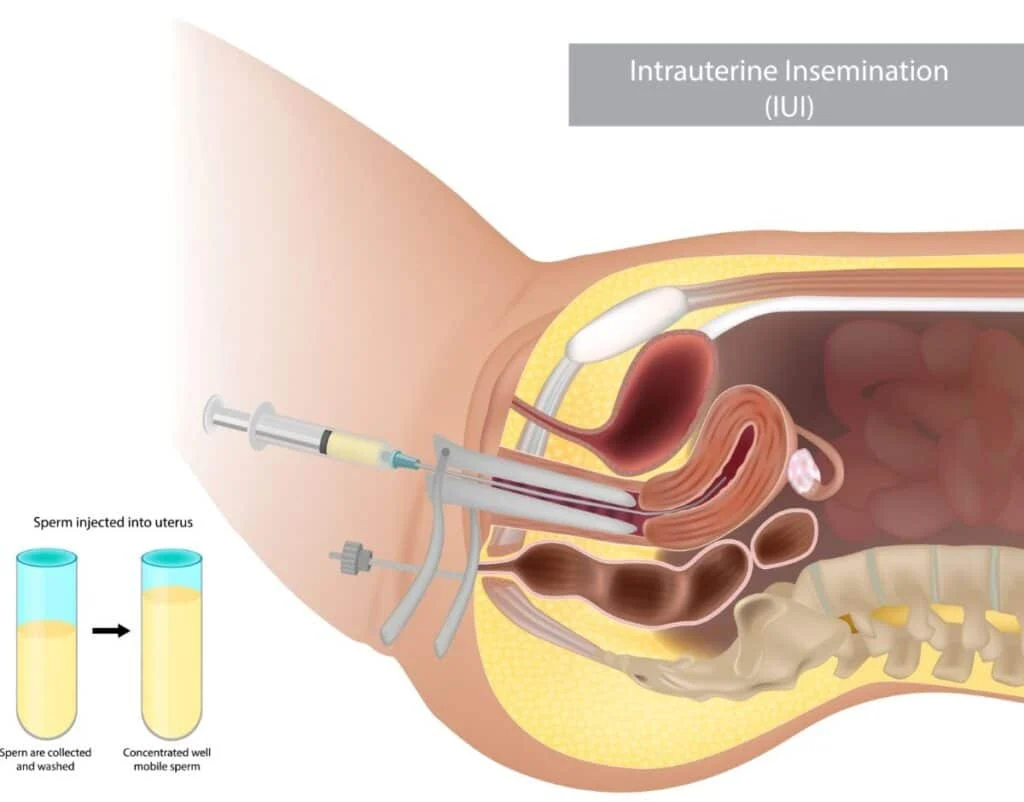
    Diagram illustrating intrauterine insemination (IUI) procedure with sperm injection into the uterus.

    Same-Sex Couples and Genetic Screening: Understanding the Process in Home Insemination and IVF

    IVF and Genetic Screening:

    In vitro fertilization (IVF) is another popular option for same-sex couples who wish to have a biological child. It involves the retrieval of eggs from one partner and the use of a sperm donor to fertilize the eggs in a laboratory. The resulting embryo is then implanted into the other partner’s uterus to carry the pregnancy.

    Like home insemination, genetic screening is a crucial step in the IVF process for same-sex couples. Both partners’ genetic makeup must be screened before the procedure to identify any potential risks. Additionally, the sperm donor’s genetic history must also be examined to ensure that there are no potential health complications for the child.

    Benefits of Genetic Screening for Same-Sex Couples:

    The process of genetic screening may seem daunting and overwhelming for same-sex couples, but it has several benefits that make it an essential step in their journey towards parenthood. Firstly, it allows them to make informed decisions about their family planning and consider the potential risks for their child’s health.

    Secondly, genetic screening can help identify any potential health risks that may not be apparent in the couple’s family history. This is especially important for same-sex couples who may not have access to their biological family’s medical history.

    Lastly, genetic screening can help prevent the transfer of genetic disorders or diseases to the child, ensuring that they have the best chance at a healthy life.

    In conclusion, genetic screening is a crucial step that must be understood and carefully navigated by same-sex couples who wish to start a family through home insemination or IVF. It allows them to make informed decisions about their family planning and ensures the best possible outcome for their child’s health.

    Summary:

    Same-sex couples who wish to start a family through home insemination or IVF must understand the process of genetic screening. This involves analyzing the genetic makeup of both partners and the sperm donor to identify any potential health risks for the child. Genetic screening is an essential step that allows same-sex couples to make informed decisions about their family planning and ensures the best possible outcome for their child’s health.

  • The Importance of Self-Care During Home Insemination and IVF for Same-Sex Couples

    Blog Post:

    For same-sex couples, the journey to starting a family can be an exciting and emotional one. With advancements in technology and medical procedures, many same-sex couples are now able to conceive through home insemination or In Vitro Fertilization (IVF). However, while these methods can offer hope and a chance at parenthood, they can also be physically and emotionally taxing. That’s why self-care is crucial for same-sex couples during home insemination and IVF.

    Self-care is defined as any intentional action taken to improve one’s physical, mental, and emotional well-being. It involves prioritizing self-nurturing habits and activities that promote a healthy and balanced lifestyle. For same-sex couples going through the process of home insemination or IVF, self-care is not just a luxury but a necessity.

    Here are some reasons why self-care is essential for same-sex couples during home insemination and IVF:

    1. Managing Stress and Anxiety: Trying to conceive through home insemination or IVF can be a stressful and anxiety-inducing experience. There are many unknowns, and the process can be overwhelming, both physically and emotionally. Self-care practices such as deep breathing, meditation, and yoga can help alleviate stress and anxiety. They can also provide a sense of calm and help couples stay grounded during this journey.

    2. Improving Physical Health: Home insemination and IVF require the body to undergo many changes and procedures. These can include hormone injections, egg retrieval, and embryo transfer. These processes can take a toll on the body, and it’s essential to prioritize physical health during this time. Engaging in regular exercise, eating a balanced diet, and getting enough rest can help the body cope with the demands of home insemination and IVF.

    3. Enhancing Mental Health: Along with the physical changes, home insemination and IVF can also take a toll on one’s mental health. The constant monitoring, waiting, and uncertainty can lead to feelings of sadness, frustration, and even depression. Practicing self-care techniques such as journaling, talking to a therapist, or joining a support group can help couples process their emotions and cope with any mental health challenges.

    4. Strengthening the Relationship: Going through home insemination or IVF can put a strain on a couple’s relationship. It’s essential to communicate openly and support each other during this time. Engaging in self-care activities together, such as taking walks, cooking a healthy meal, or having a movie night, can help strengthen the bond between partners and create a sense of normalcy amidst the chaos.

    5. Coping with Potential Setbacks: Unfortunately, home insemination and IVF do not always result in a successful pregnancy. Dealing with failed attempts or miscarriages can be devastating for same-sex couples. Engaging in self-care activities can help couples cope with these setbacks and provide a sense of comfort and healing during a difficult time.

    In addition to these reasons, self-care is also crucial in helping same-sex couples maintain a positive mindset during their journey towards parenthood. It allows them to focus on their well-being, which can ultimately have a positive impact on their overall fertility and chances of success.

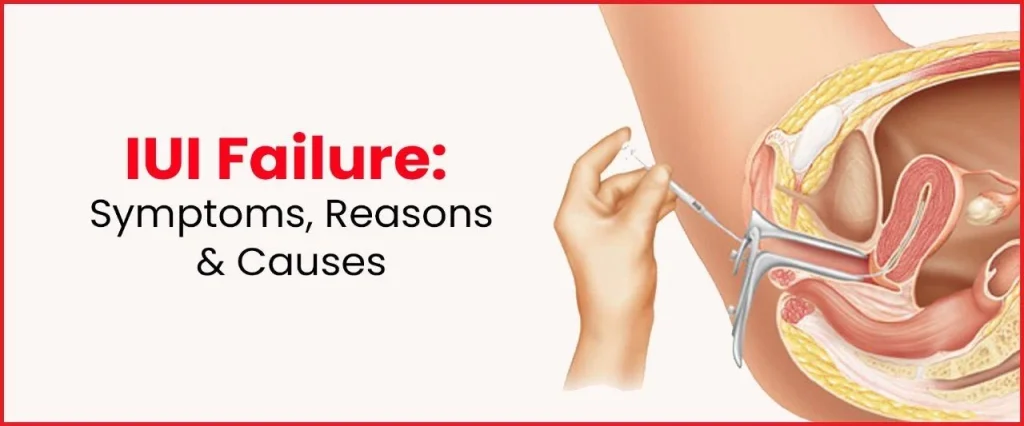
    illustration of IUI procedure with text on symptoms, reasons, and causes of IUI failure

    The Importance of Self-Care During Home Insemination and IVF for Same-Sex Couples

    Here are some self-care practices that same-sex couples can incorporate into their routine during home insemination and IVF:

    1. Prioritize Rest and Sleep: It’s essential to get enough rest and sleep during home insemination and IVF. Rest is crucial for the body to heal and recharge, and getting enough sleep can promote hormone balance and overall well-being.

    2. Practice Mindful Eating: Eating a healthy and balanced diet can help support the body during the home insemination and IVF process. Mindful eating involves paying attention to the body’s hunger and fullness cues and choosing nutritious and nourishing foods.

    3. Engage in Relaxation Techniques: Deep breathing, meditation, and yoga can help reduce stress and promote relaxation. These techniques can also help couples stay present and centered during the home insemination and IVF process.

    4. Communicate Openly: It’s essential for same-sex couples to communicate openly and support each other throughout their journey. This can include sharing their fears, hopes, and concerns and offering each other emotional support.

    5. Take Breaks: It’s okay to take breaks from thinking and talking about home insemination and IVF. Engage in activities that bring joy and provide a sense of normalcy, such as spending time with friends and family, reading a book, or watching a movie.

    In conclusion, self-care is crucial for same-sex couples during home insemination and IVF. It helps manage stress and anxiety, promotes physical and mental health, strengthens relationships, and aids in coping with potential setbacks. By prioritizing self-care, same-sex couples can support each other and maintain a positive mindset during their journey towards parenthood.

    Summary:

    For same-sex couples going through the process of home insemination or IVF, self-care is not just a luxury but a necessity. It helps manage stress and anxiety, promotes physical and mental health, strengthens relationships, and aids in coping with potential setbacks. By prioritizing self-care, same-sex couples can support each other and maintain a positive mindset during their journey towards parenthood.

    SEO metadata:

  • The Evolution of Same-Sex Parenthood: A Look at Home Insemination and IVF

    Blog Post Title: The Evolution of Same-Sex Parenthood: A Look at Home Insemination and IVF

    Same-sex parenthood has come a long way in the past few decades, with advancements in reproductive technologies and societal acceptance leading to more options for LGBTQ+ couples and individuals to start a family. While adoption and surrogacy have been common methods for same-sex couples to have children, home insemination and in vitro fertilization (IVF) have also emerged as viable options. In this blog post, we will explore the evolution of same-sex parenthood and take a closer look at home insemination and IVF as methods for starting a family.

    The History of Same-Sex Parenthood

    Same-sex couples and individuals have faced numerous obstacles when it comes to starting a family. For many years, adoption was the only option available to LGBTQ+ individuals who wanted to become parents. However, due to discrimination and legal barriers, it was often difficult for same-sex couples to adopt. Surrogacy, where a woman carries a child for another person or couple, also became an option but was limited by complex legal processes and high costs.

    In the 1980s, assisted reproductive technologies (ART) such as artificial insemination and IVF became available, providing hope for same-sex couples and individuals who wanted to have children biologically related to them. However, these methods were primarily used by heterosexual couples struggling with infertility, and LGBTQ+ individuals often faced discrimination and barriers in accessing these treatments.

    Home Insemination: A DIY Approach to Parenthood

    As societal attitudes towards same-sex relationships began to shift, so did the options for starting a family. Home insemination, also known as self-insemination or at-home insemination, emerged as a popular method for same-sex couples to conceive. This method involves using a syringe or turkey baster to inject semen into the vagina or cervix at home, without the need for medical professionals or specialized equipment.

    Home insemination is a relatively inexpensive and accessible option for same-sex couples. It also allows for more privacy and control over the process compared to traditional methods of insemination. However, there are some downsides to consider, such as the risk of infection and the lack of medical supervision. Additionally, home insemination is not a guaranteed method of conception, and success rates may vary.

    The Rise of IVF in Same-Sex Parenthood

    illustration of an intrauterine insemination procedure with medical instruments and anatomical details

    The Evolution of Same-Sex Parenthood: A Look at Home Insemination and IVF

    In vitro fertilization, or IVF, has become a popular method for same-sex couples and individuals looking to have a biological child. This process involves retrieving eggs from a woman’s ovaries and fertilizing them with sperm in a laboratory. The resulting embryos are then transferred to the uterus, where they can hopefully implant and result in a successful pregnancy.

    IVF offers a higher success rate compared to home insemination, making it a more reliable option for same-sex couples. It also allows for genetic testing of embryos, which can help screen for any potential health issues. However, IVF can be expensive, and the process may involve multiple cycles before a successful pregnancy is achieved. There is also the issue of egg and sperm donors, which can be a complex and emotionally charged decision for same-sex couples.

    Legal Considerations for Same-Sex Parents

    One of the biggest challenges for same-sex couples and individuals looking to start a family is navigating the legal landscape. While the legalization of same-sex marriage has provided legal recognition and protections for LGBTQ+ families, there are still variations in laws and regulations surrounding parenthood. This can include issues such as parental rights, second-parent adoption, and surrogacy agreements.

    It is essential for same-sex couples and individuals to research and understand the laws in their state or country before embarking on the journey of parenthood. Consulting with a lawyer who specializes in LGBTQ+ family law can also help ensure that all legal aspects are properly addressed.

    The Future of Same-Sex Parenthood

    As society continues to evolve and become more accepting of LGBTQ+ families, it is likely that we will see even more advancements in reproductive technologies and options for same-sex parenthood. In the United States, the Equality Act, currently being debated in Congress, could provide comprehensive federal protections for LGBTQ+ individuals, including in the realm of parenthood.

    Additionally, advancements in reproductive technologies such as genetic editing and artificial wombs may offer even more options for same-sex couples and individuals to have biologically related children in the future. Whatever the future holds, it is encouraging to see the progress made towards creating a more inclusive and equal world for LGBTQ+ families.

    In conclusion, the evolution of same-sex parenthood has been a journey filled with challenges and triumphs. From limited options to a wide range of possibilities, the landscape of parenting for LGBTQ+ individuals and couples has significantly changed in the past few decades. With the continued advancements in reproductive technologies and legal protections, the future is bright for those seeking to start a family through home insemination or IVF.

  • The Unique Challenges Faced by Same-Sex Couples Pursuing Home Insemination or IVF

    Blog Post: The Unique Challenges Faced by Same-Sex Couples Pursuing Home Insemination or IVF

    Same-sex couples have long faced unique challenges when it comes to starting a family. While adoption and surrogacy have been popular options for many, others have turned to home insemination or in vitro fertilization (IVF) as a way to conceive. However, these methods also come with their own set of challenges and hurdles for same-sex couples. In this blog post, we will explore the unique challenges faced by same-sex couples pursuing home insemination or IVF and provide insights and tips on how to overcome them.

    1. Legal Hurdles: One of the biggest challenges faced by same-sex couples pursuing home insemination or IVF is the lack of legal protection. In many countries, same-sex marriage and parenting are not recognized, which can make it difficult for couples to navigate the legal system when it comes to issues such as parental rights and custody. This can also lead to complications when it comes to obtaining birth certificates and other legal documents for the child.

    2. Finding a Donor: For same-sex couples, finding a donor can be a daunting task. While some couples may opt for known donors such as a friend or family member, others may choose anonymous donors from sperm banks. However, this process can be emotionally and financially draining, as there is often a limited pool of donors available and the cost of sperm can be high. Additionally, same-sex couples may face discrimination or bias from certain sperm banks, which can make the process even more challenging.

    3. Dealing with Stereotypes: Same-sex couples also have to deal with the stigma and stereotypes surrounding their decision to start a family. From facing questions and comments about their ability to be good parents to having to constantly justify their choices, these stereotypes can add an extra layer of stress and emotional burden for couples already going through a challenging process.

    4. Lack of Support: Unlike heterosexual couples who can turn to their families and communities for support and advice, same-sex couples may find themselves lacking a support system. This can be especially difficult for couples pursuing home insemination or IVF, as they may not have anyone to turn to for guidance or emotional support during the process.

    5. Financial Burden: Home insemination and IVF can be expensive, and same-sex couples often face additional financial burdens compared to heterosexual couples. This can include the cost of sperm, fertility treatments, legal fees, and other expenses. For couples with limited financial resources, this can make the dream of starting a family seem out of reach.

    6. Dealing with Discrimination: Unfortunately, same-sex couples may also face discrimination from healthcare providers when it comes to fertility treatments. Some doctors and clinics may refuse to provide services to same-sex couples or may not have experience dealing with their unique needs. This can make it difficult for couples to find a healthcare provider who is supportive and knowledgeable about their situation.

    Comparison of IUI and IVF with illustrations of each procedure.

    The Unique Challenges Faced by Same-Sex Couples Pursuing Home Insemination or IVF

    7. Legal Parental Rights: Another challenge faced by same-sex couples is the lack of legal parental rights for both partners. In many countries, only one partner is legally recognized as the parent, which can lead to complications in the event of a separation or if one partner passes away. This can also make it difficult for same-sex couples to make decisions about their child’s healthcare and education.

    Tips for Overcoming These Challenges:

    1. Educate Yourself: Before embarking on the journey of home insemination or IVF, it’s important for same-sex couples to educate themselves about the legal and financial aspects of the process. This can help them be prepared for any challenges that may arise and find ways to overcome them.

    2. Seek Legal Advice: Consulting with a lawyer who specializes in family and LGBTQ+ rights can help same-sex couples understand their legal rights and options. They can also help couples navigate the legal system and obtain necessary documents for their child.

    3. Find a Support System: Surrounding yourself with a supportive community can make a huge difference in dealing with the challenges of home insemination or IVF. This can include joining online support groups, connecting with other same-sex couples going through a similar journey, or seeking counseling to help cope with any emotional stress.

    4. Research Donor Options: Researching different donor options, such as known donors and sperm banks, can help same-sex couples find the best fit for their family. It’s also important to thoroughly research and choose a reputable sperm bank that is inclusive and supportive of LGBTQ+ families.

    5. Advocate for Yourself: Don’t be afraid to speak up and advocate for yourself and your partner. If you face discrimination from healthcare providers or sperm banks, don’t hesitate to report it and seek out alternative options.

    In conclusion, same-sex couples pursuing home insemination or IVF may face a unique set of challenges, but with proper education, support, and advocacy, these hurdles can be overcome. By staying informed and seeking out the right resources and support, same-sex couples can make their dream of starting a family a reality.

    Summary: Same-sex couples pursuing home insemination or IVF face challenges such as legal hurdles, finding a donor, dealing with stereotypes and lack of support, financial burden, discrimination, and legal parental rights. To overcome these challenges, couples can educate themselves, seek legal advice, find a support system, research donor options, and advocate for themselves.

  • The Social Stigma Surrounding Home Insemination and IVF for Same-Sex Couples

    Blog Post:

    In recent years, there has been a significant increase in the number of same-sex couples choosing to start a family through home insemination or in vitro fertilization (IVF). However, despite the growing acceptance and legal recognition of LGBTQ+ rights, same-sex couples still face social stigma when it comes to these methods of conception.

    Home insemination involves using a syringe or turkey baster to inject semen into the vagina, cervix, or uterus in order to achieve pregnancy. This can be done at home or with the help of a medical professional. IVF, on the other hand, is a more complex and expensive process that involves fertilizing an egg with sperm in a laboratory and then transferring the embryo into the uterus.

    One of the main reasons for the social stigma surrounding home insemination and IVF for same-sex couples is the belief that only heterosexual couples should be able to have children. This heteronormative mindset has been deeply ingrained in society for centuries, and it continues to perpetuate the idea that the only acceptable way to start a family is through traditional methods of conception.

    Another factor contributing to the stigma is the misconception that same-sex couples are not capable of being good parents. This harmful stereotype has been used to justify discrimination against the LGBTQ+ community for years, and it continues to be used to discredit their ability to raise children. However, there is no evidence to suggest that same-sex couples are any less capable of providing a loving and nurturing environment for their children.

    Moreover, there is also a lack of understanding about the reproductive technology used by same-sex couples. Many people are not aware that home insemination and IVF are legitimate and safe methods of conception, and they may view them as unnatural or morally wrong. This lack of knowledge and education leads to fear and judgment towards same-sex couples who choose to use these methods.

    The social stigma surrounding home insemination and IVF for same-sex couples can also be attributed to religious beliefs and cultural norms. In some religions, same-sex relationships and non-traditional methods of conception are considered sinful and against the natural order of things. This can cause individuals to internalize these beliefs and pass judgment on those who do not conform to their religious or cultural ideologies.

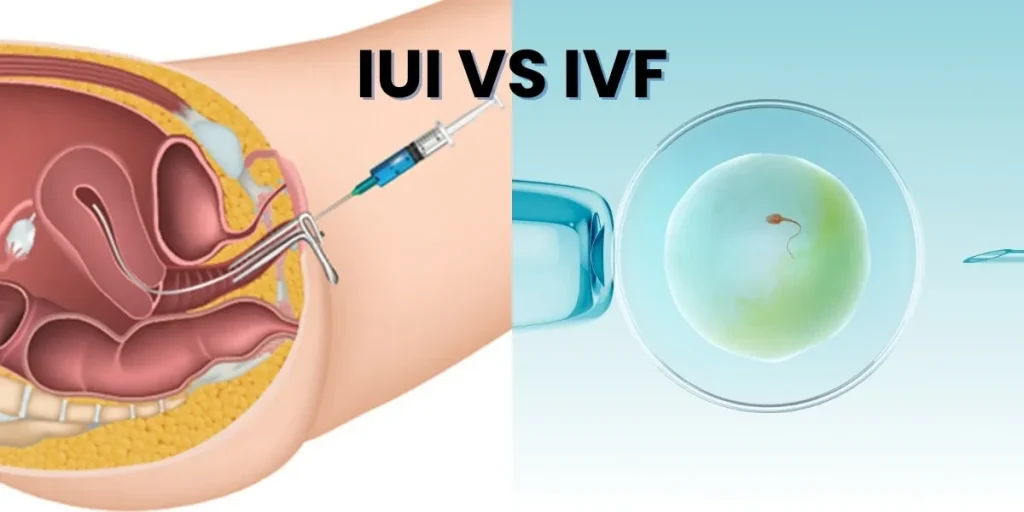
    comparison of IUI and IVF fertility treatments with illustrations of procedures and a petri dish with an egg and sperm

    The Social Stigma Surrounding Home Insemination and IVF for Same-Sex Couples

    Unfortunately, the social stigma surrounding home insemination and IVF for same-sex couples can have detrimental effects on their mental health and well-being. The fear of being judged, discriminated against, or ostracized by society can cause immense stress and anxiety for same-sex couples who wish to start a family. This can also lead to a lack of access to essential healthcare services, as some medical professionals may refuse to provide assistance to same-sex couples due to their personal beliefs.

    Despite these challenges, many same-sex couples are determined to overcome the social stigma and start a family through home insemination or IVF. However, the process can be financially and emotionally draining, as these methods are not always covered by insurance or affordable for everyone. This further highlights the need for society to accept and support same-sex couples who choose to build their families through alternative methods.

    In recent years, there have been some positive changes towards breaking the social stigma surrounding home insemination and IVF for same-sex couples. The legal recognition of same-sex marriages and adoption rights has been a significant step towards achieving equality for LGBTQ+ couples. Additionally, more and more celebrities and public figures are openly sharing their experiences with home insemination and IVF, helping to normalize these methods of conception.

    In conclusion, the social stigma surrounding home insemination and IVF for same-sex couples is deeply rooted in societal norms and beliefs. However, it is crucial for us to challenge these stigmas and educate ourselves about the realities of alternative methods of conception. Same-sex couples have the right to start a family and should not be judged or discriminated against for their choices. It is time for society to embrace diversity and support all types of families, regardless of how they were formed.

    Summary:

    Despite the growing acceptance and legal recognition of LGBTQ+ rights, same-sex couples still face social stigma when it comes to home insemination and IVF. This is due to heteronormative beliefs, misconceptions about same-sex parenting, lack of understanding about reproductive technology, religious and cultural norms, and fear of discrimination. The stigma can have harmful effects on mental health and access to healthcare. However, there have been some positive changes, such as legal recognition and public figures sharing their experiences. It is time for society to embrace diversity and support all types of families, regardless of how they were formed.

    Metadata:

  • Same-Sex Couples and Fertility Options: A Look at Home Insemination and IVF

    Blog Post:

    Same-sex couples have always faced unique challenges when it comes to starting a family. In the past, adoption and surrogacy were the only options available, but with advancements in reproductive technology, there are now more options for same-sex couples to conceive and carry a child. In this blog post, we will explore two popular fertility options for same-sex couples: home insemination and IVF (in vitro fertilization).

    Home Insemination:

    Home insemination, also known as artificial insemination, is a process where sperm is manually inserted into the vagina or cervix in hopes of fertilizing an egg. This method has been used for decades by heterosexual couples struggling with fertility issues, but it has also become a popular option for same-sex couples.

    The process of home insemination involves collecting sperm from a known or anonymous donor and using a syringe or insemination kit to insert the sperm into the vagina. This can be done at home, making it a convenient and private option for couples. However, it is important to note that home insemination has a lower success rate compared to other fertility treatments, with only a 10-15% chance of conception per cycle.

    One of the main advantages of home insemination is that it is a more affordable option compared to other fertility treatments. The cost of sperm, insemination kits, and fertility drugs (if needed) are significantly lower than the cost of IVF. Additionally, home insemination allows for more control over the process, as couples can choose the donor and timing of the insemination.

    On the other hand, there are some disadvantages to consider with home insemination. The success rate is lower compared to other fertility treatments, and it may require multiple cycles to achieve a successful pregnancy. There is also the risk of sexually transmitted infections (STIs) if the donor is not properly screened or if the insemination process is not done correctly. It is important to discuss the potential risks and precautions with a healthcare provider before pursuing home insemination.

    illustration of an intrauterine insemination procedure with medical instruments and anatomical details

    Same-Sex Couples and Fertility Options: A Look at Home Insemination and IVF

    IVF (In Vitro Fertilization):

    IVF, also known as assisted reproductive technology (ART), is a more complex and invasive fertility treatment that involves fertilizing an egg with sperm outside of the body and then transferring the embryo into the uterus. This process has been used for decades and has helped many couples, including same-sex couples, to conceive.

    The process of IVF begins with hormone injections to stimulate the ovaries to produce multiple eggs. These eggs are then retrieved through a minor surgical procedure and combined with sperm in a laboratory dish. After fertilization occurs, the resulting embryo is transferred into the uterus, where it will hopefully implant and result in a pregnancy. Any extra embryos can be frozen for future use.

    One of the main advantages of IVF is its high success rate, with a 40% chance of pregnancy for women under 35, and a 30% chance for women between 35-37. This is significantly higher than other fertility treatments. Additionally, IVF allows for the use of donor sperm or eggs, making it a viable option for same-sex couples.

    However, IVF also comes with some disadvantages, including a higher cost compared to other fertility treatments, with an average cost of $12,000-$15,000 per cycle. The process can also be physically and emotionally taxing for both partners, with frequent doctor’s appointments, hormone injections, and the potential for multiple cycles before achieving a successful pregnancy.

    Summary:

    Same-sex couples have more fertility options available to them than ever before, with home insemination and IVF being two popular choices. Home insemination is a more affordable and private option, but with a lower success rate and potential risks. IVF, on the other hand, has a higher success rate but comes with a higher cost and more invasive procedures. It is important for same-sex couples to carefully consider their options and consult with a healthcare provider to determine the best fertility treatment for their individual situation.

  • Breaking Down Barriers: Making Home Insemination and IVF Accessible for Same-Sex Couples

    Blog Post:

    For many same-sex couples, starting a family has traditionally been a complex and sometimes inaccessible process. Traditional methods such as home insemination or IVF (in vitro fertilization) were often only available to heterosexual couples, leaving same-sex couples with limited options and facing numerous barriers. However, with advancements in technology and a greater understanding of the importance of inclusivity, these barriers are slowly being broken down, making home insemination and IVF more accessible for same-sex couples.

    Home insemination, also known as artificial insemination, is a simple and non-invasive method of conception that involves placing sperm directly into the uterus to increase the chances of pregnancy. This method can be done at home with a donor’s sperm or in a clinic setting. In the past, home insemination was seen as a controversial and taboo topic for same-sex couples, as it often involved using a known sperm donor, leading to concerns about legal rights and potential complications. However, with the rise of at-home insemination kits and sperm banks, this method has become a more accessible and safe option for same-sex couples.

    One of the major barriers to home insemination for same-sex couples has been the cost. In the past, many fertility clinics would only accept heterosexual couples, and the cost of using a sperm donor could be prohibitive. However, as society has become more inclusive, more fertility clinics are now offering services to same-sex couples, and the cost of sperm donation has become more affordable. In addition, at-home insemination kits have become more widely available and can be purchased at a fraction of the cost of traditional fertility treatments.

    Another barrier to home insemination for same-sex couples has been the lack of legal protection. In many countries, laws and regulations around sperm donation and parenting rights have been geared towards heterosexual couples, leaving same-sex couples in a legal grey area. However, with the increasing demand for services from same-sex couples, many countries and states have updated their laws to include same-sex couples’ rights as parents. This has not only provided legal protection for same-sex couples but has also given them more confidence in pursuing home insemination as a viable option for starting a family.

    In addition to home insemination, IVF is another method that has become more accessible for same-sex couples. IVF involves retrieving eggs from the ovaries and fertilizing them with sperm in a laboratory. The resulting embryos are then transferred into the uterus, increasing the chances of pregnancy. While IVF has traditionally been used by heterosexual couples struggling with fertility issues, it is now a common option for same-sex couples as well.

    illustration of IUI procedure with text on symptoms, reasons, and causes of IUI failure

    Breaking Down Barriers: Making Home Insemination and IVF Accessible for Same-Sex Couples

    One of the main barriers to IVF for same-sex couples has been the need for a surrogate. In the past, many fertility clinics would only accept heterosexual couples for IVF, and surrogacy was only available to married couples. This left same-sex couples without the option to use IVF as a method of conception. However, with the increasing demand for IVF from same-sex couples, many clinics have opened up their services to all couples, regardless of sexual orientation. This has not only made IVF more accessible but has also given same-sex couples the opportunity to start a family using their own genetic material.

    Another barrier to IVF for same-sex couples has been the cost. IVF is a costly procedure, and many insurance plans do not cover it. This has made it unaffordable for many same-sex couples, leaving them with limited options for starting a family. However, with the rise of crowdfunding and financial assistance programs, more same-sex couples are now able to afford IVF and make their dreams of starting a family a reality.

    Despite the advancements in technology and the breaking down of barriers, there are still challenges that same-sex couples face when trying to start a family through home insemination or IVF. Many couples still face discrimination and prejudice from healthcare providers, which can make the process even more difficult. In addition, there is still a lack of education and support for same-sex couples when it comes to home insemination and IVF, leaving them to navigate the process on their own.

    However, with the increasing demand for inclusive fertility services, there is hope that these barriers will continue to be broken down. It is essential for healthcare providers to receive training and education on working with same-sex couples, and for society to continue to advocate for equal rights and access to fertility treatments for all couples, regardless of sexual orientation.

    In conclusion, while there are still challenges and barriers to overcome, home insemination and IVF are becoming more accessible for same-sex couples. With advancements in technology, changes in laws and regulations, and a growing understanding of the importance of inclusivity, same-sex couples now have more options for starting a family. It is crucial for society to continue to advocate for equality and inclusivity in fertility treatments, so that all couples can have the opportunity to build a loving and supportive home for their future children.

    Summary:

    Same-sex couples have traditionally faced barriers when trying to start a family through home insemination and IVF. However, with advancements in technology and a greater understanding of inclusivity, these barriers are slowly being broken down. Home insemination and IVF are becoming more accessible for same-sex couples due to the availability of at-home insemination kits, more affordable sperm donation services, and changes in laws and regulations to protect the rights of same-sex parents. While challenges still exist, it is essential for healthcare providers and society to continue to advocate for equality and inclusivity in fertility treatments for all couples.