Author: mutony

  • Making the Decision: Intrauterine Insemination vs Donor Insemination

    Making the Decision: Intrauterine Insemination vs Donor Insemination

    When couples are struggling with infertility, they are often faced with the difficult decision of how to conceive a child. For many couples, the options of intrauterine insemination (IUI) and donor insemination (DI) are presented. Both methods have their own distinct advantages and disadvantages, and it is important for couples to carefully consider their individual needs and circumstances before making a decision.

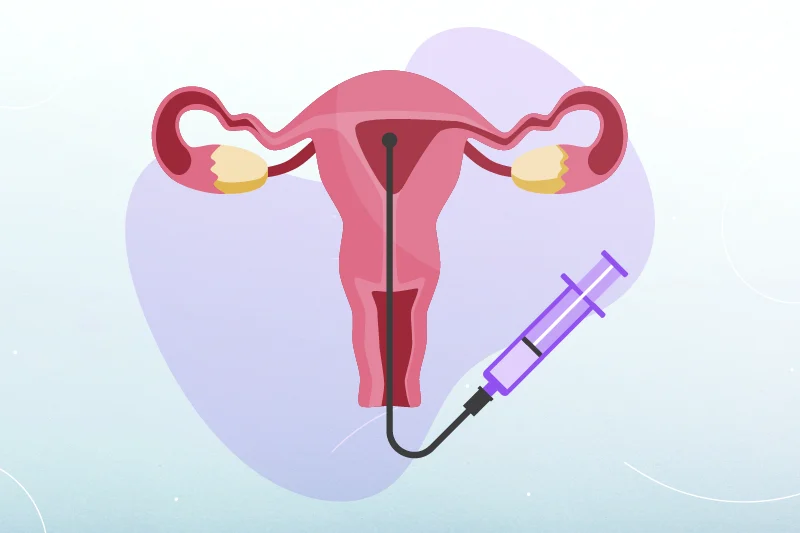
    Intrauterine insemination, also known as artificial insemination, is a fertility treatment that involves placing sperm directly into the uterus during ovulation. This method is often recommended for couples with unexplained infertility, ovulation disorders, or mild male factor infertility. It is a relatively simple and non-invasive procedure that can be done in a doctor’s office.

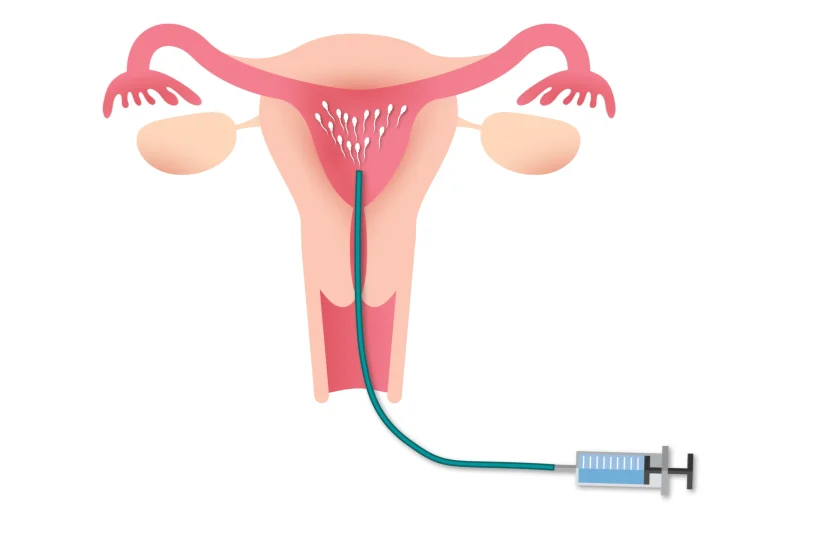
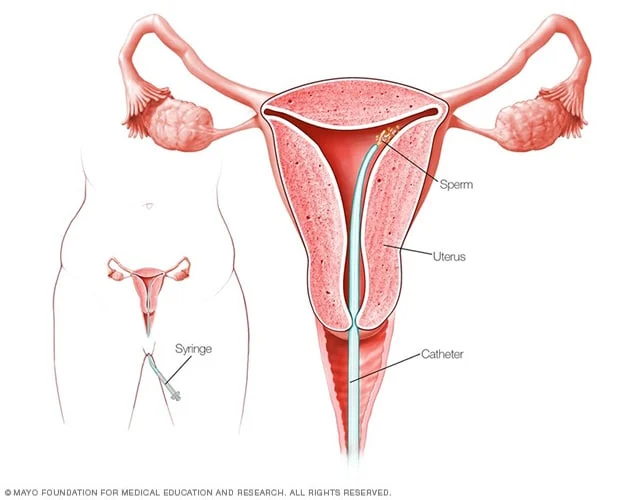
    The first step in IUI is to stimulate ovulation using fertility drugs. This helps to increase the chances of conception by producing multiple eggs. Then, a semen sample is collected from the male partner or a donor and washed to remove any impurities. The sperm is then inserted into the uterus using a thin catheter. This process is timed to coincide with ovulation, increasing the chances of the sperm meeting the egg.

    One of the main advantages of IUI is that it is a less expensive and less invasive option compared to other fertility treatments such as in vitro fertilization (IVF). It also allows couples to use the male partner’s sperm, increasing the chances of a biological connection to the child. It is also a relatively quick procedure, and most women can resume their normal activities immediately afterward.

    However, IUI does have its limitations. It is not recommended for couples with severe male factor infertility or blocked fallopian tubes, as the sperm still needs to travel through the tubes to reach the egg. It also has a lower success rate compared to IVF, with an average success rate of around 10-20% per cycle. This means that multiple cycles may be needed, resulting in higher costs.

    On the other hand, donor insemination involves using sperm from a donor, either through a sperm bank or a known donor. This method is often recommended for couples with severe male factor infertility, same-sex couples, or single women who do not have a male partner. It is also a common option for couples with genetic disorders or diseases that they do not want to pass on to their child.
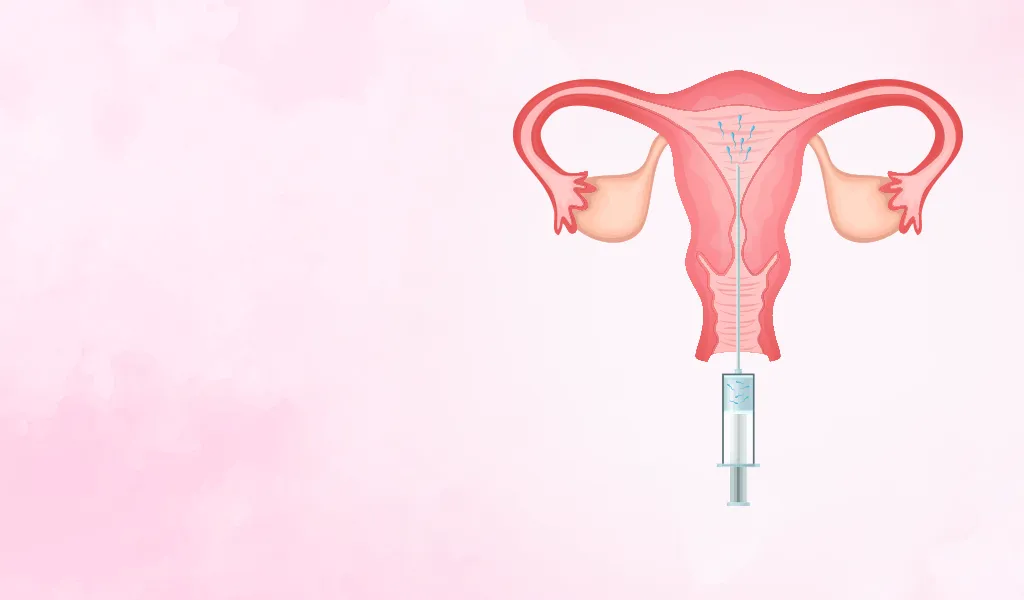
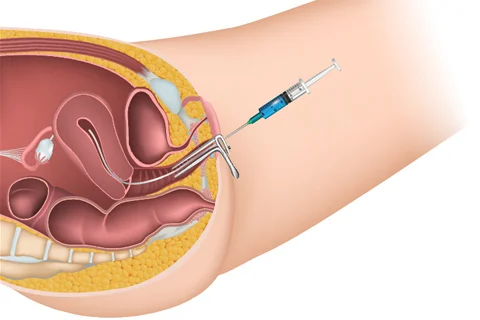
    illustration of a uterus with a syringe, representing intrauterine insemination procedure

    Making the Decision: Intrauterine Insemination vs Donor Insemination

    The process of DI is similar to IUI, with the main difference being the source of the sperm. The donor sperm is also screened for any genetic disorders or diseases to ensure the health of the future child. This method allows couples to still have a biological connection to their child while bypassing any fertility issues.

    One of the main advantages of DI is the higher success rates compared to IUI. The use of donor sperm allows for a higher chance of conception, especially for couples with severe male factor infertility. It also eliminates the need for fertility drugs, making it a more natural and less invasive option.

    However, DI also has its own set of challenges. It can be a more expensive option, as the cost of sperm can range from a few hundred to several thousand dollars per cycle. There is also the emotional aspect of using a donor, as some couples may struggle with the idea of not having a genetic connection to their child. It also requires careful consideration and legal agreements when using a known donor.

    When deciding between IUI and DI, it is important for couples to consider their individual needs and circumstances. Factors such as the cause of infertility, financial constraints, and emotional readiness should all be taken into account. It is also essential to have open and honest communication with your partner and healthcare provider to make an informed decision.

    In some cases, couples may even consider a combination of both methods. This could involve using IUI with donor sperm, which can increase the chances of conception while still maintaining a biological connection to the child.

    In the end, there is no right or wrong answer when it comes to choosing between IUI and DI. Every couple’s journey to parenthood is unique, and the decision should be based on what feels right for them. It is important to remember that there are other options available, such as adoption or surrogacy, if IUI or DI is not the right fit.

    In conclusion, making the decision between IUI and DI can be a challenging and emotional process for couples struggling with infertility. Both methods have their own pros and cons, and it is essential to carefully consider these factors before making a decision. Ultimately, the most important thing is for couples to choose the option that feels right for them and their journey towards parenthood.
  • The Importance of Choosing the Right Sperm: IUI vs DI

    Summary:

    When it comes to starting a family, there are many factors to consider. One important aspect that is often overlooked is the choice of sperm. Many people assume that all sperm is the same and that it doesn’t matter where it comes from. However, the truth is that choosing the right sperm can greatly impact the success of conception. In this blog post, we will discuss the importance of choosing the right sperm and the differences between intrauterine insemination (IUI) and donor insemination (DI).

    First, let’s understand the difference between IUI and DI. IUI is a fertility treatment that involves placing sperm directly into a woman’s uterus during ovulation. This can be done with either the partner’s sperm or donor sperm. On the other hand, DI is a form of assisted reproductive technology where a woman receives sperm from a donor through insemination. The sperm could be from a known or anonymous donor.

    Now, let’s dive into the importance of choosing the right sperm. The quality of sperm plays a crucial role in the success of conception. Sperm quality is determined by factors such as sperm count, motility, and morphology. These factors can vary greatly among individuals and can greatly affect the chances of fertilization. For example, low sperm count or poor sperm motility can make conception difficult or even impossible.

    In the case of IUI, the quality of the partner’s sperm is crucial. If the partner has any fertility issues, using their sperm may not be the best option for conception. In such cases, using donor sperm through IUI can increase the chances of conception. However, it is important to choose a donor with good sperm quality to ensure the success of the procedure.

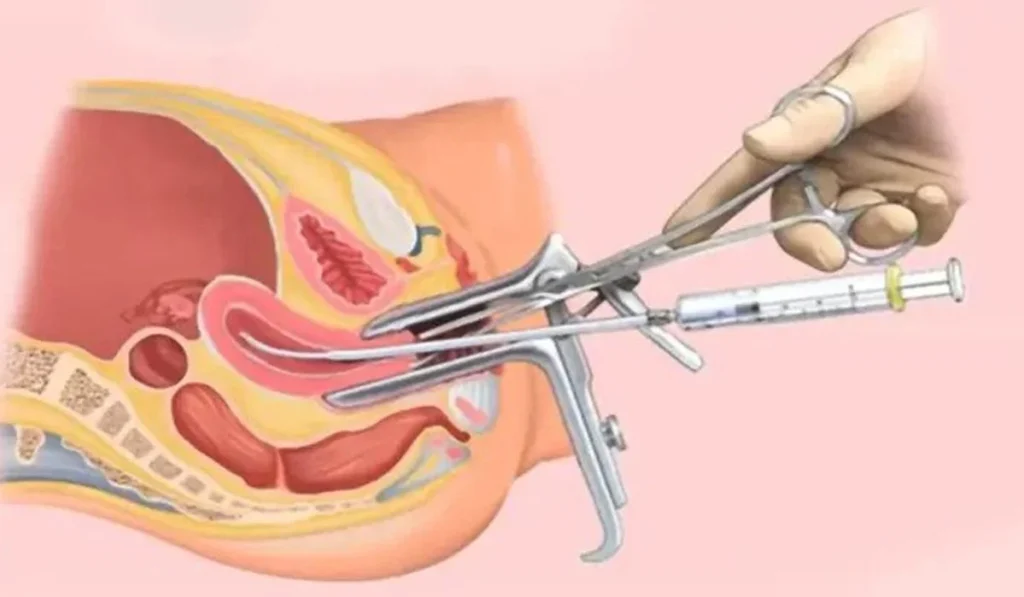
    illustration of an intrauterine insemination procedure with medical instruments and anatomical details

    The Importance of Choosing the Right Sperm: IUI vs DI

    When it comes to DI, the choice of sperm is even more crucial. Since the sperm is coming from a donor, there is no way to know the quality of the sperm beforehand. This is why it is important to choose a reputable and reliable sperm bank. Sperm banks have strict screening processes for donors, which includes testing for genetic disorders and sexually transmitted infections. This ensures that the sperm is of good quality and free from any potential health risks.

    Aside from sperm quality, there are other important factors to consider when choosing between IUI and DI. One factor is the success rate. Studies have shown that DI has a higher success rate compared to IUI, especially for women with fertility issues. This is because DI bypasses any potential male fertility issues and uses high-quality donor sperm.

    Another factor to consider is the legal and emotional implications. In the case of IUI, the partner is the legal father of the child, and both partners are emotionally invested in the conception process. However, with DI, the donor has no legal rights or responsibilities to the child, and this could potentially lead to emotional conflicts in the future. It is important to have open and honest communication with your partner when making this decision.

    In conclusion, choosing the right sperm is essential for a successful conception. Whether it’s through IUI or DI, the quality of sperm can greatly impact the chances of fertilization. It is important to consider factors such as sperm quality, success rate, and legal and emotional implications when making this decision. Consulting with a fertility specialist can also provide valuable insights and guidance in choosing the right sperm for your family planning journey.

    In summary, choosing the right sperm is crucial for successful conception. Factors such as sperm quality, success rate, and legal and emotional implications should be considered when deciding between IUI and DI. Consultation with a fertility specialist can also provide valuable guidance in making this decision.

  • Navigating the Emotional Journey: Intrauterine Insemination vs Donor Insemination

    Navigating the Emotional Journey: Intrauterine Insemination vs Donor Insemination

    Deciding to start a family is a big step in any couple’s life, but for those who are struggling with infertility, it can be an emotional rollercoaster. There are many options available for couples who are unable to conceive naturally, including intrauterine insemination (IUI) and donor insemination (DI). Both procedures have their own unique emotional journey and it’s important for couples to understand the differences between the two and how to navigate the emotional challenges that may arise.

    Intrauterine Insemination (IUI)

    IUI is a fertility treatment that involves inserting washed and concentrated sperm directly into a woman’s uterus, bypassing the cervix. This procedure is typically used for couples who are experiencing issues with sperm quality, cervical hostility, or unexplained infertility. The process is relatively simple and can be done in a doctor’s office without any anesthesia.

    The Emotional Journey of IUI

    For couples undergoing IUI, the emotional journey can be filled with hope, anticipation, and anxiety. Many couples experience a mix of emotions leading up to and during the procedure. There may be feelings of excitement and optimism as they start the process, but also fear and anxiety about the success of the procedure.

    The first step in navigating the emotional journey of IUI is to have open and honest communication with your partner. It’s important to discuss your feelings and concerns with each other and seek support from friends, family, or a therapist if needed. It’s also important to manage expectations and understand that IUI may not be successful on the first try.

    During the procedure, some women may experience discomfort or cramping, which can add to the emotional toll. After the procedure, there is a two-week wait before finding out if the IUI was successful. This waiting period can be emotionally taxing, with couples feeling a mix of hope, fear, and anxiety. It’s important to find healthy ways to cope with these emotions, such as exercising, practicing relaxation techniques, or talking to a therapist.

    If the IUI is unsuccessful, it’s natural for couples to feel disappointed and even devastated. It’s important to remember that success rates for IUI vary and it may take multiple attempts before achieving a pregnancy. It’s also important to take care of your emotional well-being and seek support from your partner and loved ones.

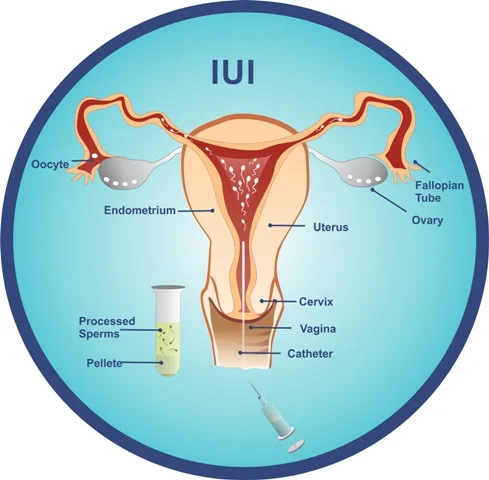
    diagram illustrating intrauterine insemination (IUI) procedure with uterus, sperm, and catheter labeled

    Navigating the Emotional Journey: Intrauterine Insemination vs Donor Insemination

    Donor Insemination (DI)

    DI is a fertility treatment that involves using donor sperm to fertilize a woman’s egg. This procedure is typically used for same-sex female couples, single women, or heterosexual couples with male infertility.

    The Emotional Journey of DI

    For couples undergoing DI, the emotional journey can be complex and challenging. There may be feelings of loss and grief for the partner who is unable to provide sperm, as well as for the couple as a whole. It’s important for couples to talk openly about these feelings and seek support from each other and loved ones.

    There may also be feelings of uncertainty and anxiety about using a donor and the impact it may have on the child’s identity and family dynamic. It’s important for couples to discuss these concerns and seek counseling if needed to help navigate these emotions.

    Another challenge with DI is the selection of a donor. Couples may struggle with finding the right donor and may experience doubts and fears about the process. It’s important for couples to communicate openly and honestly about their preferences and concerns and seek support from a fertility specialist or therapist.

    After the procedure, there may be feelings of hope and excitement, but also fear and anxiety as the couple waits to find out if the DI was successful. It’s important for couples to find healthy ways to cope with these emotions and support each other through the process.

    Summary

    Deciding between IUI and DI can be a difficult decision for couples struggling with infertility. Both procedures have their own unique emotional journey and it’s important for couples to understand and prepare for the challenges that may arise. Having open and honest communication, seeking support from loved ones and professionals, and finding healthy ways to cope with emotions are key in navigating the emotional journey of IUI and DI.

  • Breaking Down the Costs: IUI vs DI

    Breaking Down the Costs: IUI vs DI

    When exploring fertility options, it can be overwhelming to navigate the different procedures and their associated costs. Intrauterine insemination (IUI) and donor insemination (DI) are two common methods used to help individuals or couples conceive. While they may seem similar on the surface, there are significant differences in the cost and process of each option. In this blog post, we will break down the costs of IUI vs DI and discuss factors to consider when making a decision.

    IUI, also known as artificial insemination, involves placing washed and prepared sperm directly into the uterus through a catheter. This procedure is often used for couples with male factor infertility, unexplained infertility, or single women who want to conceive using donor sperm. The cost of IUI can vary greatly depending on factors such as location, clinic, and insurance coverage. On average, the cost of one IUI cycle can range from $300 to $1,000, not including medications or diagnostic testing. However, this cost can increase significantly if multiple cycles are needed.

    On the other hand, DI involves using donor sperm to fertilize the woman’s egg either through intrauterine insemination or in vitro fertilization (IVF). This option is typically used by single women or same-sex female couples who need donor sperm to conceive. The cost of DI can also vary greatly, but it is generally more expensive than IUI due to the additional steps involved, such as purchasing donor sperm and potentially undergoing IVF. On average, the cost of one DI cycle can range from $3,000 to $5,000, not including medications or diagnostic testing. This cost can increase even further if multiple cycles or IVF procedures are needed.

    One factor that impacts the cost of IUI and DI is the use of fertility medications. While IUI can be done without medications, many doctors recommend using fertility drugs to stimulate ovulation and increase the chances of conception. These medications can range from $50 to $2,000 per cycle, depending on the type and dosage prescribed. DI, on the other hand, almost always involves the use of fertility medications, as the timing of the insemination is critical for successful fertilization.

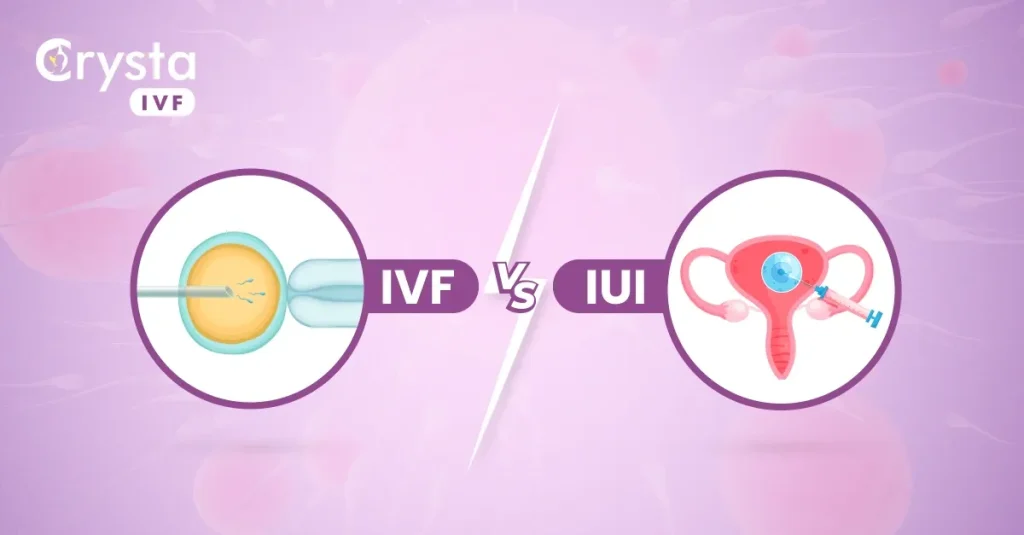
    Comparison of IVF and IUI procedures with illustrations of each method.

    Breaking Down the Costs: IUI vs DI

    Another factor to consider is the cost of donor sperm. The cost of donor sperm can vary depending on the clinic and any additional services offered, such as genetic testing or donor information. On average, the cost of one vial of donor sperm can range from $500 to $1,000. However, multiple vials may be needed for each cycle, increasing the overall cost.

    It is also essential to factor in the cost of diagnostic testing when considering IUI or DI. Before undergoing any fertility treatment, both partners may need to undergo various tests, including blood work, ultrasounds, and semen analysis. These tests can range from a few hundred to a few thousand dollars, depending on the type and frequency of testing needed.

    Additionally, the cost of IUI and DI can vary depending on insurance coverage. While some insurance plans may cover some or all of the costs associated with these procedures, others may not cover them at all. It is crucial to check with your insurance provider to understand your coverage and any out-of-pocket expenses.

    When deciding between IUI and DI, it is also essential to consider the success rates of each procedure. IUI has a lower success rate compared to DI, with an average success rate of 10-15% per cycle. However, this success rate can increase when combined with fertility medications or if multiple cycles are done. DI, on the other hand, has a higher success rate of 20-30% per cycle, but it also requires more steps and can be more expensive.

    In conclusion, both IUI and DI can be viable options for individuals or couples looking to conceive. However, the cost of each procedure can vary significantly and is influenced by factors such as fertility medications, donor sperm, diagnostic testing, and insurance coverage. It is essential to consider these factors carefully and consult with a fertility specialist to determine the best option for your specific situation.

  • Intrauterine Insemination vs Donor Insemination: Which is More Effective?

    Intrauterine insemination (IUI) and donor insemination (DI) are two common fertility treatments that involve artificial insemination. Both procedures involve placing sperm into the uterus in hopes of achieving pregnancy. While they have similar goals, there are significant differences between the two in terms of effectiveness, cost, and ethical considerations. In this blog post, we will explore the differences between IUI and DI and help you understand which one may be more effective for your individual situation.

    What is Intrauterine Insemination?

    Intrauterine insemination, also known as artificial insemination, is a form of assisted reproductive technology (ART) that involves placing washed and prepared sperm directly into the uterus. This procedure is typically used for couples who are having trouble conceiving due to issues such as low sperm count, ovulation problems, or unexplained infertility.

    The process of IUI begins with the female partner taking fertility medications to stimulate egg production. These medications can increase the chances of ovulation and the number of eggs released. The male partner then provides a sperm sample that is washed and concentrated to remove any non-moving sperm, dead sperm, or other debris. The prepared sperm is then placed into the uterus using a thin catheter, which is inserted through the cervix. This procedure is typically done around the time of ovulation to increase the chances of fertilization.

    What is Donor Insemination?

    Donor insemination, also known as third-party reproduction, involves using donated sperm from a known or anonymous donor to achieve pregnancy. This method is commonly used by single women, same-sex couples, or couples in which the male partner has a genetic disorder that could be passed on to the child. DI can also be used for couples who have been unsuccessful with other fertility treatments.

    The process of DI begins with the selection of a sperm donor. This can be done through a sperm bank or through a known donor, such as a friend or family member. The sperm is then frozen and quarantined for at least six months to ensure that the donor does not have any infectious diseases. The female partner then undergoes the same fertility medications and procedures as IUI, with the only difference being the source of the sperm.

    Effectiveness of IUI vs DI

    The effectiveness of IUI and DI can vary depending on individual factors such as age, fertility issues, and the quality of the sperm used. However, studies have shown that IUI has a higher success rate compared to DI. According to the American Pregnancy Association, the success rate for IUI is around 10-20%, while the success rate for DI is around 5-15%.

    diagram illustrating intrauterine insemination (IUI) with labeled reproductive anatomy and procedures

    Intrauterine Insemination vs Donor Insemination: Which is More Effective?

    One of the main reasons for the higher success rate of IUI is because it involves using the male partner’s sperm, which is typically of higher quality than donated sperm. Additionally, with IUI, the sperm is placed directly into the uterus, increasing the chances of fertilization. On the other hand, DI involves a more complex process of selecting a sperm donor, which may not always result in a suitable match.

    Cost Comparison

    When it comes to cost, IUI is generally less expensive than DI. The cost of IUI can range from $300 to $1,000 per cycle, whereas DI can cost around $1,000 to $4,000 per cycle. This is due to the additional cost of purchasing donor sperm and the quarantine process. However, the cost can vary significantly depending on factors such as the clinic, the type of donor sperm used, and any additional medications or procedures that may be needed.

    Ethical Considerations

    While both IUI and DI are commonly used fertility treatments, they do involve ethical considerations that should be taken into account. One of the main concerns with DI is the potential for the child to have questions about their biological father and identity. This can be especially challenging for children who were conceived through anonymous sperm donation. On the other hand, IUI involves using the male partner’s sperm, which can eliminate some of these ethical concerns.

    Conclusion

    In summary, IUI and DI are two common fertility treatments that involve artificial insemination. While both procedures have the same goal of achieving pregnancy, there are significant differences in terms of effectiveness, cost, and ethical considerations. IUI is generally more effective and less expensive than DI, but it may not be suitable for everyone. It is important to consult with a fertility specialist to determine which option is best for your individual situation.

    Intrauterine insemination vs donor insemination is a common debate among couples struggling with infertility. This blog post has explored the differences between the two procedures in terms of effectiveness, cost, and ethical considerations. Hopefully, this information has helped you gain a better understanding of these fertility treatments and determine which one may be more suitable for you.

    Meta Description: Intrauterine insemination and donor insemination are two common fertility treatments that involve artificial insemination. This blog post explores the differences between the two and helps you understand which one may be more effective for your individual situation.

  • Understanding the Process: Intrauterine Insemination vs Donor Insemination

    Understanding the Process: Intrauterine Insemination vs Donor Insemination

    In today’s world, fertility treatments have become more accessible and advanced, providing hope for couples struggling to conceive. Two common options for assisted reproduction are intrauterine insemination (IUI) and donor insemination (DI). While both methods involve placing sperm into the female reproductive system, they have significant differences in terms of process, success rates, and costs. In this blog post, we will discuss the nuances of IUI and DI to help you understand which option may be best for you.

    Intrauterine Insemination (IUI):

    IUI, also known as artificial insemination, is a fertility treatment that involves placing washed and concentrated sperm directly into the uterus. This procedure is typically done around the time of ovulation to increase the chances of fertilization. Before the IUI, the semen sample is carefully prepared in a laboratory to remove the seminal fluid and concentrate the sperm, making it easier for them to reach the egg. The procedure itself is relatively simple and painless, and it usually takes only a few minutes to complete.

    IUI is usually recommended for couples with male factor infertility, including low sperm count or motility, or for those with unexplained infertility. It is also a viable option for same-sex couples and single women who want to conceive. Compared to other fertility treatments, IUI is less invasive and less expensive, making it a popular choice for many couples.

    Donor Insemination (DI):

    DI, on the other hand, involves using donated sperm from a sperm bank or a known donor to inseminate the female partner. This method is commonly used by same-sex female couples and single women, as well as heterosexual couples with male infertility issues. The process of DI is similar to IUI, where the sperm is washed and prepared in a laboratory before being inserted into the uterus.

    One of the significant differences between IUI and DI is the source of the sperm. With IUI, the sperm is usually from the male partner, while DI involves using donor sperm. Donor sperm is carefully screened and tested for any genetic or infectious diseases to ensure the safety of the recipient and potential child. This screening process can also be tailored to the recipient’s preferences, such as physical characteristics and education level of the donor.

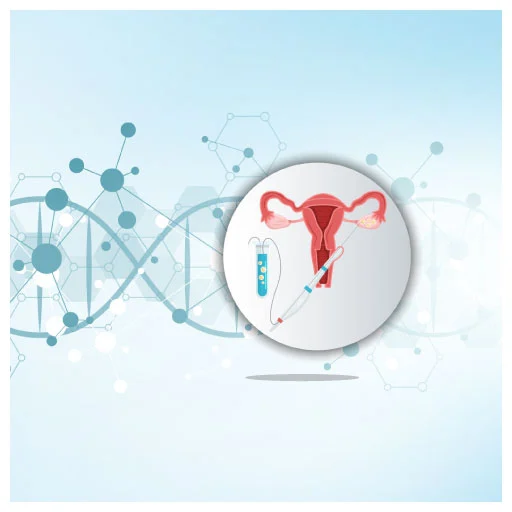
    Illustration of IUI procedure with uterus and syringe against a DNA background.

    Understanding the Process: Intrauterine Insemination vs Donor Insemination

    Success Rates:

    When it comes to success rates, IUI and DI have slightly different outcomes. The success of IUI depends on various factors, including the age and health of the woman, the quality of the sperm, and the timing of the procedure. On average, the success rates for IUI range from 10-20% per cycle, and it may take several cycles to achieve a pregnancy.

    On the other hand, DI has a higher success rate, with a 20-30% chance of pregnancy per cycle. This is because the sperm used in DI has been carefully screened and selected, making it more viable for fertilization. However, the success rates for both IUI and DI may vary depending on individual circumstances.

    Costs:

    Cost is another significant factor to consider when choosing between IUI and DI. IUI is generally less expensive than DI, as it involves using the male partner’s sperm. However, the cost may increase if medications or additional procedures are needed to stimulate ovulation. DI, on the other hand, can be more expensive due to the cost of donor sperm and the screening process. It is essential to discuss the costs with your healthcare provider and insurance coverage to determine which option is more feasible for your situation.

    Conclusion:

    In conclusion, both IUI and DI are viable options for couples and individuals struggling with infertility. IUI is a less invasive and less expensive option, but it may have lower success rates and is mainly used for male factor infertility. DI, on the other hand, has higher success rates and is commonly used by same-sex couples and single women, but it can be more expensive. It is crucial to consult with a fertility specialist to determine which option is best for you based on your specific situation.

    In summary, IUI and DI are two commonly used fertility treatments that involve placing sperm into the female reproductive system. While IUI uses the male partner’s sperm, DI involves using donor sperm. Both methods have different success rates and costs, and the choice between the two depends on individual circumstances. Consulting with a fertility specialist can help determine the best option for you.

  • Deciding on the Right Fertility Treatment: IUI vs DI

    Deciding on the Right Fertility Treatment: IUI vs DI

    Infertility can be a challenging and emotional journey for couples who are trying to conceive. Fortunately, there are various fertility treatments available that can help make the dream of parenthood a reality. Two popular options for couples with fertility issues are intrauterine insemination (IUI) and donor insemination (DI). While both procedures have the same end goal of helping couples conceive, they have significant differences that need to be considered when choosing the right treatment. In this blog post, we will discuss the pros and cons of IUI and DI, as well as factors to consider when making a decision.

    Understanding IUI and DI

    Intrauterine insemination (IUI) is a fertility treatment that involves placing washed and concentrated sperm directly into a woman’s uterus during ovulation. This procedure is often used for couples who have mild male factor infertility, unexplained infertility, or cervical issues. The goal of IUI is to bring the sperm closer to the egg, increasing the chances of fertilization.

    On the other hand, donor insemination (DI) involves using donated sperm from a sperm bank or a known donor. This is an option for couples who have severe male factor infertility, genetic disorders, or same-sex couples. The sperm is injected directly into the woman’s uterus or cervix, similar to IUI.

    Pros and Cons of IUI

    One of the main advantages of IUI is that it is a less invasive and less expensive fertility treatment compared to other options such as in vitro fertilization (IVF). It also has a higher success rate than natural conception and can be performed without anesthesia. However, IUI may not be suitable for couples with significant fertility issues, and success rates may vary depending on the cause of infertility.

    Another potential drawback of IUI is the risk of multiple pregnancies. Since IUI involves directly placing sperm into the uterus, there is a higher chance of multiple eggs being fertilized, resulting in twins or even triplets. This can increase the risk of complications during pregnancy and delivery.

    Pros and Cons of DI

    illustration of intrauterine insemination procedure with a syringe and catheter in the uterus.

    Deciding on the Right Fertility Treatment: IUI vs DI

    The main advantage of DI is that it allows couples to conceive when a male partner is unable to produce viable sperm. It can also be a more affordable option compared to other fertility treatments such as IVF. DI also allows couples to choose a donor who closely matches their physical and/or genetic characteristics.

    However, DI also has its drawbacks. One of the main concerns is the emotional aspect of using a donor’s sperm, especially for couples who have always envisioned having a child with their partner’s genetic material. There may also be legal and ethical issues to consider, especially if using a known donor.

    Factors to Consider When Choosing Between IUI and DI

    When deciding between IUI and DI, there are several factors that couples should consider. These include:

    1. The cause of infertility: If the male partner has a low sperm count or other fertility issues, IUI may be a better option. However, if the male partner is unable to produce viable sperm, DI may be necessary.

    2. Success rates: It is essential to research and compare the success rates of both IUI and DI before making a decision. This will give couples a better understanding of which treatment may be more effective for their specific situation.

    3. Emotional and ethical considerations: Couples should also take into account their emotional and ethical beliefs when deciding between IUI and DI. It is crucial to have open and honest discussions with each other and with a medical professional to address any concerns or reservations.

    4. Financial considerations: Fertility treatments can be expensive, and it is essential to consider the financial aspect when choosing between IUI and DI. Couples should research the cost of each treatment and their insurance coverage to make an informed decision.

    5. Personal preferences: Ultimately, the decision between IUI and DI should be based on what feels right for the couple. Each person’s feelings and preferences should be taken into account to make a decision that is best for both partners.

    In summary, deciding on the right fertility treatment can be a daunting task for couples struggling with infertility. While IUI and DI are both viable options, it is crucial to consider factors such as the cause of infertility, success rates, emotional and ethical considerations, finances, and personal preferences when making a decision. Consulting with a fertility specialist can also provide valuable insights and guidance in choosing the best treatment for each individual couple.

  • The Pros and Cons of Intrauterine Insemination vs Donor Insemination

    Intrauterine insemination (IUI) and donor insemination (DI) are two common fertility treatments that involve the introduction of sperm into a woman’s reproductive system, bypassing natural conception. While both procedures aim to help individuals and couples struggling with infertility to achieve pregnancy, they differ in the source of the sperm used. In IUI, the sperm comes from the woman’s partner, while in DI, it comes from an anonymous donor. In this blog post, we will explore the pros and cons of IUI vs DI to help individuals make informed decisions about their fertility journey.

    Pros of Intrauterine Insemination:

    1. Uses Partner’s Sperm: One of the significant advantages of IUI is that it uses the sperm of the woman’s partner. This can be a more comfortable and more intimate experience for couples, as it involves the use of their genetic material. It can also be a more cost-effective option compared to DI, as there is no need to pay for donor sperm.

    2. Better Chance of Pregnancy: IUI has a higher success rate compared to other fertility treatments, including DI. This is because the sperm is directly placed into the woman’s uterus, improving the chances of fertilization. Additionally, IUI can also be combined with other fertility treatments, such as fertility drugs, to further increase the chances of pregnancy.

    3. Less Invasive: IUI is a relatively simple and minimally invasive procedure compared to other assisted reproduction techniques. It involves placing a catheter through the cervix and into the uterus to inject the sperm. This makes it a less intimidating option for individuals who may be uncomfortable with more invasive procedures.

    4. Can Be Done at Home: In some cases, IUI can be done at home without the need for a medical professional. This is known as the “turkey baster” method, where the sperm is collected and inserted into the vagina using a syringe. While this method may not be as effective as clinical IUI, it can be a more private and affordable option for couples.

    Cons of Intrauterine Insemination:

    1. Requires Fertility Drugs: For couples struggling with infertility, IUI may not be a standalone treatment. In most cases, fertility drugs are used to stimulate ovulation before the procedure. These drugs can have side effects such as headaches, bloating, and mood swings, and they can also increase the risk of multiple pregnancies.

    2. Not Suitable for All Types of Infertility: IUI is only effective for certain types of infertility, such as mild male factor infertility, unexplained infertility, and cervical factor infertility. It may not be suitable for individuals with severe male factor infertility or blocked fallopian tubes.

    3. Risk of Infection: As with any medical procedure, there is a risk of infection with IUI. The insertion of a catheter into the uterus can introduce bacteria, which can lead to pelvic inflammatory disease or other infections. It is essential to follow proper hygiene protocols and to choose a reputable and sterile clinic for the procedure.

    diagram illustrating intrauterine insemination (IUI) procedure with uterus, sperm, and catheter labeled

    The Pros and Cons of Intrauterine Insemination vs Donor Insemination

    Pros of Donor Insemination:

    1. No Need for Fertility Drugs: Unlike IUI, DI does not require the use of fertility drugs, making it a more natural option for individuals who may be uncomfortable with medications.

    2. Suitable for Severe Male Infertility: DI is a viable option for individuals with severe male factor infertility, such as low sperm count or poor sperm motility. It also eliminates the risk of passing on genetic disorders or inherited diseases from the male partner.

    3. Anonymity: DI offers the option of anonymity for the donor, which can be appealing for individuals who may not want to know the identity of their child’s biological father. It also eliminates any potential legal or emotional complexities that may arise from involving the male partner’s sperm.

    Cons of Donor Insemination:

    1. Cost: DI can be an expensive option, as it involves purchasing donor sperm from a sperm bank or fertility clinic. Additionally, there may also be additional costs associated with the screening and testing of the donor sperm.

    2. Lack of Genetic Connection: For couples who value genetic connection, DI may not be an ideal option, as the sperm comes from an anonymous donor. This can be a difficult decision for some couples, especially if they have a strong desire to have a child that is biologically related to both partners.

    3. Limited Information about Donor: In most cases, donors remain anonymous, and there is limited information available about their health history and genetic background. This lack of information can be a concern for some individuals, especially if there is a history of genetic disorders in their family.

    Summary:

    Intrauterine insemination and donor insemination are two common fertility treatments that involve the introduction of sperm into a woman’s reproductive system. While IUI uses the sperm of the woman’s partner, DI involves the use of donor sperm. The pros of IUI include using the partner’s sperm, higher chances of pregnancy, and being less invasive. However, it may not be suitable for all types of infertility and may require fertility drugs. On the other hand, DI does not require fertility drugs and is suitable for severe male infertility, but it can be costly and lacks genetic connection with the sperm donor.

    In conclusion, both IUI and DI have their advantages and disadvantages, and the choice between the two will ultimately depend on the individual’s unique situation and preferences. It is essential to consult with a fertility specialist to determine the best course of action for achieving pregnancy.

  • Exploring the Differences: Intrauterine Insemination vs Donor Insemination

    Exploring the Differences: Intrauterine Insemination vs Donor Insemination

    In today’s world, there are various options available for couples who are struggling with fertility and trying to conceive. Two popular methods that are often used are intrauterine insemination (IUI) and donor insemination (DI). Both of these methods involve assisted reproductive technology, but they differ in their approach and process. In this blog post, we will explore the differences between IUI and DI, including their procedures, success rates, and considerations for couples.

    What is Intrauterine Insemination?

    Intrauterine insemination, also known as artificial insemination, is a fertility treatment that involves placing sperm directly into a woman’s uterus to increase the chances of fertilization. This procedure can be done with the partner’s sperm or donor sperm.

    The IUI process begins with the woman taking fertility medications to stimulate her ovaries to produce multiple eggs. The doctor will then monitor the woman’s ovulation cycle and determine the best time for the IUI procedure. On the day of the procedure, the sperm is collected and washed to remove any potential impurities. Then, a thin, flexible catheter is inserted into the woman’s cervix and the prepared sperm is injected into the uterus. The woman may experience some discomfort during the procedure, but it is usually quick and relatively painless.

    What is Donor Insemination?

    Donor insemination, also known as donor sperm insemination, is a method of fertility treatment where donor sperm is used to fertilize a woman’s egg. This method is often used for single women, same-sex couples, or heterosexual couples with male infertility. The donor sperm can be obtained from a sperm bank, or the couple can use a known donor.

    The process of donor insemination is similar to IUI, except for the source of the sperm. The woman may still need to take fertility medications to stimulate ovulation, and the sperm is inserted into the uterus using a catheter. However, the success rate of donor insemination may be slightly lower than IUI because the sperm has to travel a longer distance to reach the egg.

    Illustration of the uterus with a syringe, depicting the intrauterine insemination procedure.

    Exploring the Differences: Intrauterine Insemination vs Donor Insemination

    Success Rates of IUI and DI

    The success rates of both IUI and DI vary and depend on various factors such as the woman’s age, overall health, and the cause of infertility. According to the American Pregnancy Association, the success rate for IUI is around 10-20% per cycle, while the success rate for DI can range from 10-30% per cycle.

    It is essential to note that the success rates of both methods can increase with multiple cycles. On average, it is recommended to undergo 3-6 cycles of IUI or DI before considering other fertility treatments.

    Considerations for Couples

    When deciding between IUI and DI, there are several factors that couples should consider. One crucial factor is the cause of infertility. For couples with male infertility issues, IUI may be a suitable option as it involves the partner’s sperm. On the other hand, couples with female infertility issues may benefit from DI as it bypasses any potential issues with the woman’s reproductive system.

    Another consideration is the cost. IUI tends to be less expensive than DI as it does not involve sperm donation. However, the cost of both methods can vary depending on the clinic and any additional treatments or medications needed.

    Couples should also consider the emotional and legal implications of both methods. With IUI, the child will be biologically related to both parents, while DI may involve a known or anonymous donor. It is crucial for couples to discuss their feelings and concerns with each other and their healthcare provider before deciding on a fertility treatment.

    In conclusion, both IUI and DI are viable options for couples struggling with fertility. They differ in their process, success rates, and considerations, and it is essential for couples to weigh these factors carefully before choosing a method that is best for them. Working closely with a healthcare provider and being open and honest with each other can help couples make an informed decision and increase their chances of a successful pregnancy.

  • Fertility Clinics vs Hospitals: Which is Better for International Patients?

    Blog Post:

    For couples struggling with infertility, the decision to seek medical help is often a difficult one. And for international patients, this decision can become even more complicated when faced with the choice between fertility clinics and hospitals. Both options offer specialized care and advanced treatments, but which is better for international patients? In this blog post, we will explore the differences between fertility clinics and hospitals, and discuss the pros and cons of each for international patients.

    Fertility Clinics:

    Fertility clinics are specialized medical facilities that focus solely on reproductive health. They offer a wide range of treatments for both men and women, including in vitro fertilization (IVF), intrauterine insemination (IUI), and other assisted reproductive techniques. Fertility clinics are staffed by reproductive endocrinologists, urologists, embryologists, and other highly trained professionals who specialize in fertility treatments.

    Pros:

    1. Specialized Care: Fertility clinics have a dedicated team of experts who focus solely on reproductive health. This means that patients can expect to receive the highest level of specialized care and attention.

    2. Advanced Treatments: Fertility clinics are at the forefront of reproductive medicine and offer the latest and most advanced treatments for infertility. This includes cutting-edge technologies such as preimplantation genetic testing, egg freezing, and sperm donation.

    3. Personalized Treatment Plans: Fertility clinics understand that every patient is unique and therefore, offer personalized treatment plans tailored to each individual’s specific needs. This ensures that patients receive the most effective treatment for their particular situation.

    4. Support and Counseling: Infertility can take a toll on a person’s mental and emotional well-being. Fertility clinics offer support and counseling services to help patients cope with the emotional challenges of infertility and fertility treatments.

    Cons:

    1. Cost: Fertility treatments can be expensive, and international patients may face additional costs such as travel expenses and accommodation. This can make fertility clinics a costly option for international patients, especially if insurance does not cover the treatments.

    2. Limited Services: Fertility clinics specialize in reproductive health and may not offer other medical services that a hospital does. This means that if a patient requires additional medical care, they may have to seek treatment at another facility.

    Hospitals:

    Hospitals are large medical facilities that offer a wide range of medical services, including fertility treatments. They have a team of doctors and specialists who can provide comprehensive care for various health conditions.

    diagram of a uterus with a syringe for intrauterine insemination procedure

    Fertility Clinics vs Hospitals: Which is Better for International Patients?

    Pros:

    1. Comprehensive Care: Hospitals offer a wide range of medical services, and if a patient requires additional medical care, they can receive it at the same facility. This can be beneficial for international patients who may require other treatments in addition to fertility treatments.

    2. Insurance Coverage: Hospitals are more likely to accept insurance coverage for fertility treatments, making it a more affordable option for international patients.

    3. Emergency Care: Hospitals have emergency departments and intensive care units, making them better equipped to handle any medical emergencies that may arise during fertility treatments.

    Cons:

    1. Less Specialized Care: Hospitals may not have a dedicated team of experts who specialize in reproductive health. This means that patients may not receive the same level of specialized care as they would at a fertility clinic.

    2. Long Waiting Times: Hospitals are large facilities that cater to a wide range of patients, which can result in longer waiting times for appointments and treatments.

    3. Limited Treatment Options: Hospitals may not offer the same range of advanced fertility treatments as fertility clinics, which could limit the options for international patients.

    Which is Better for International Patients?

    The answer to this question ultimately depends on the individual patient’s needs and preferences. Fertility clinics offer specialized care and advanced treatments for infertility, making them a great option for patients who require focused reproductive care. However, they can be costly and may not offer comprehensive medical services.

    On the other hand, hospitals provide a wide range of medical services and may be a more affordable option for international patients. However, they may not offer the same level of specialized care and may have longer waiting times.

    In conclusion, both fertility clinics and hospitals have their pros and cons for international patients seeking fertility treatments. It is essential for patients to research and consider their options carefully before making a decision. Consulting with a healthcare professional and seeking recommendations from other international patients can also be helpful in making an informed decision.

    Summary:

    For international patients seeking fertility treatments, the decision between fertility clinics and hospitals can be a tough one. Fertility clinics offer specialized care, advanced treatments, and personalized treatment plans, but can be costly. In contrast, hospitals offer comprehensive care, insurance coverage, and emergency services, but may not have the same level of specialized care. Ultimately, the best option for international patients will depend on their individual needs and preferences.