Author: mutony

  • Navigating Fertility: Comparing Apps and Traditional Tracking Tools

    Navigating Fertility: Comparing Apps and Traditional Tracking Tools

    Fertility is a topic that has been gaining more attention in recent years as more couples struggle with conceiving. With advancements in technology, there are now various apps and traditional tracking tools available to help individuals and couples navigate their fertility journey. In this blog post, we will explore the different options and compare apps and traditional tracking tools to help you decide which one may be best for you.

    Understanding Fertility Tracking

    Before diving into the comparison, it’s important to understand the basics of fertility tracking. Fertility tracking involves monitoring and recording various fertility signs such as menstrual cycle, basal body temperature, cervical mucus, and ovulation. By tracking these signs, individuals can identify their most fertile days and increase their chances of conception.

    Apps for Fertility Tracking

    In recent years, there has been a surge in the popularity of fertility tracking apps. These apps use algorithms and data input by users to predict ovulation and fertile days. There are many different apps available, each with its unique features and interface. Some popular options include Clue, Flo, and Glow.

    Pros of Apps for Fertility Tracking

    One of the main advantages of using an app for fertility tracking is convenience. Most apps are available for download on smartphones, making it easy to track on-the-go. These apps also have features that allow users to input data such as menstrual cycle length, ovulation test results, and other fertility signs, making it easier to keep track of everything in one place. Additionally, some apps offer additional features such as personalized insights, community forums, and partner syncing options.

    Cons of Apps for Fertility Tracking

    One of the main drawbacks of using fertility tracking apps is their reliance on algorithms and data input by users. This means that the accuracy of predictions and fertile window may vary from person to person. Some apps also require a paid subscription for full access to features, which can be costly in the long run.

    Traditional Tracking Tools

    Traditional tracking tools have been used for decades to monitor fertility signs. These tools include ovulation predictor kits (OPKs), basal body temperature thermometers, and cervical mucus monitoring. Unlike apps, these tools do not rely on algorithms or data input and instead provide more accurate readings of fertility signs.
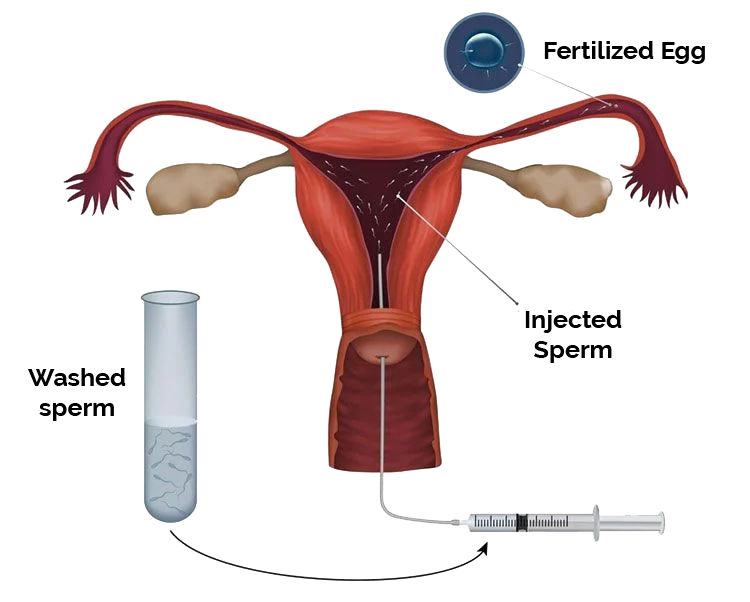
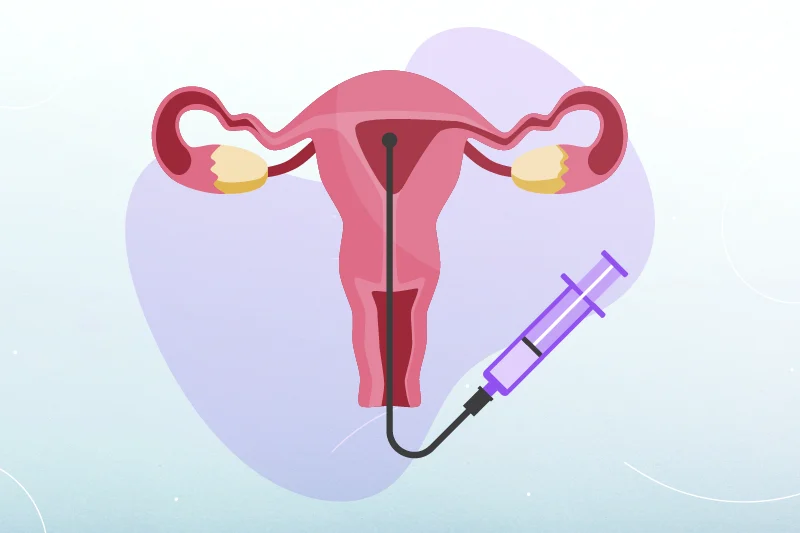
    diagram of the female reproductive system with an IUI syringe and test tube for artificial insemination

    Navigating Fertility: Comparing Apps and Traditional Tracking Tools

    Pros of Traditional Tracking Tools

    One of the main advantages of traditional tracking tools is their accuracy. OPKs, for example, use urine tests to detect the surge in luteinizing hormone, which is a primary indicator of ovulation. Basal body temperature thermometers are also highly accurate in detecting changes in body temperature that occur during ovulation. Additionally, these tools are often more affordable in the long run compared to fertility tracking apps.

    Cons of Traditional Tracking Tools

    One of the main drawbacks of traditional tracking tools is the inconvenience and time commitment required. For example, basal body temperature thermometers require daily temperature readings at the same time each morning, which can be challenging for individuals with irregular sleep schedules. OPKs also require daily testing during the predicted fertile window, which can be costly and time-consuming.

    Comparing Apps and Traditional Tracking Tools

    When it comes to comparing apps and traditional tracking tools, it ultimately depends on personal preference and individual fertility needs. Apps offer convenience and additional features, while traditional tracking tools provide more accurate readings. Some individuals may find it beneficial to use a combination of both methods for a more comprehensive tracking approach.

    Tips for Effective Fertility Tracking

    Regardless of whether you choose to use apps or traditional tracking tools, there are some tips that can help make your fertility tracking more effective:

    1. Be consistent: Whether using an app or traditional tracking tool, it’s important to be consistent with tracking your fertility signs. This will provide more accurate data and help identify patterns.

    2. Educate yourself: It’s essential to understand the basics of fertility and how tracking works to make informed decisions about your fertility journey.

    3. Seek professional help: If you are struggling to conceive or have concerns about your fertility, it’s best to consult a healthcare professional for guidance and support.

    Summary:

    Fertility tracking is essential for individuals and couples who are trying to conceive. With advancements in technology, there are now various apps and traditional tracking tools available to help in this process. Apps offer convenience and additional features, while traditional tracking tools provide more accurate readings. Some tips for effective fertility tracking include being consistent, educating yourself, and seeking professional help if needed.
  • The Pros and Cons of Fertility Tracking Apps and Traditional Methods

    Blog Post:

    Fertility tracking is a crucial aspect for many couples who are trying to conceive or avoid pregnancy. In the past, traditional methods such as calendar tracking and cervical mucus observation were used to track fertility. However, with the rise of technology, fertility tracking apps have become increasingly popular. These apps claim to make the process of tracking fertility easier and more accurate. But are they really better than traditional methods? In this blog post, we will discuss the pros and cons of fertility tracking apps and traditional methods.

    Pros of Fertility Tracking Apps:

    1. Convenience: One of the biggest advantages of using fertility tracking apps is convenience. These apps can be easily downloaded on smartphones and can be used anytime and anywhere. Unlike traditional methods, where you need to keep a physical record, these apps automatically track and store your data, making it easier for you to view and analyze your fertility patterns.

    2. Accurate Predictions: Fertility tracking apps use advanced algorithms and data analysis to predict ovulation and fertile days. These predictions are based on the user’s menstrual cycle data, making them more accurate than traditional methods. This helps couples to plan their intercourse more effectively, increasing their chances of conceiving.

    3. Additional Features: Many fertility tracking apps come with additional features such as reminders for taking birth control pills, tracking symptoms, and providing personalized tips for improving fertility. These features not only make the process of tracking fertility easier but also help couples to understand their bodies better.

    4. Privacy: Fertility is a personal matter, and many couples prefer to keep it private. Fertility tracking apps provide a sense of privacy as compared to traditional methods, where you might have to share your data with a healthcare provider.

    Cons of Fertility Tracking Apps:

    1. Cost: While some fertility tracking apps are free, others come with a price tag. The cost can add up over time, especially if the app requires a subscription. On the other hand, traditional methods are free of cost and only require basic materials such as a calendar and a pen.

    2. Technology Dependence: Fertility tracking apps are dependent on technology, and if there is a technical issue or if the app crashes, it can disrupt your tracking process. This can be frustrating, especially for couples who are actively trying to conceive.

    3. Human Error: Fertility tracking apps may be advanced, but they are not foolproof. They rely on the user’s input of data, and if the data is incorrect, the predictions can be inaccurate. This can lead to unplanned pregnancies or missed fertile days.

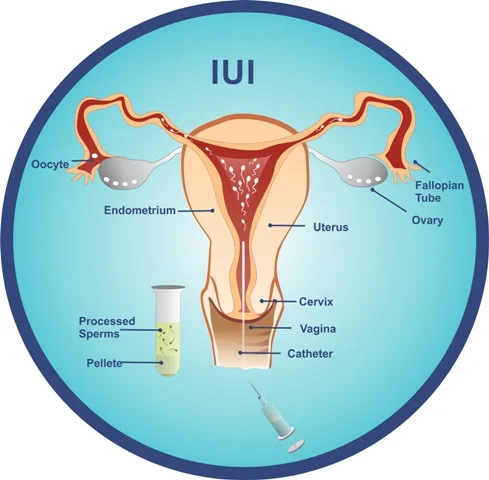
    diagram illustrating intrauterine insemination (IUI) with labeled reproductive anatomy and procedures

    The Pros and Cons of Fertility Tracking Apps and Traditional Methods

    4. Inaccurate for Irregular Cycles: Fertility tracking apps work best for women with regular menstrual cycles. However, for women with irregular cycles, these apps may not be as accurate. Traditional methods, on the other hand, can be tailored to fit the individual’s cycle length, making them more suitable for women with irregular cycles.

    Pros of Traditional Methods:

    1. Cost-effective: As mentioned earlier, traditional methods are free of cost and only require basic materials. This makes them a more affordable option for couples who are trying to conceive or avoid pregnancy.

    2. Non-Dependent on Technology: Unlike fertility tracking apps, traditional methods do not rely on technology. This eliminates the risk of technical issues disrupting your tracking process.

    3. Suitable for Irregular Cycles: Traditional methods can be adjusted according to the individual’s cycle length, making them more suitable for women with irregular cycles.

    4. Familiarity: Many women have been using traditional methods for years and are familiar with them. This can make them more comfortable and reliable compared to new technology.

    Cons of Traditional Methods:

    1. Time-consuming: Traditional methods require daily tracking and recording of data, which can be time-consuming. This can be a burden for busy couples who have a lot on their plates.

    2. Inaccurate Predictions: Traditional methods rely on past data and assumptions, which may not always be accurate. This can lead to unplanned pregnancies or missed fertile days.

    3. Lack of Additional Features: Unlike fertility tracking apps, traditional methods do not come with additional features such as reminders and personalized tips, making the process of tracking fertility less comprehensive.

    Summary:

    Fertility tracking is an essential aspect for many couples, and with the rise of technology, fertility tracking apps have gained popularity. These apps offer convenience, accurate predictions, and additional features, but they also come with a cost and technology dependence. On the other hand, traditional methods are cost-effective and non-dependent on technology, but they can be time-consuming and less accurate for women with irregular cycles. Ultimately, the choice between fertility tracking apps and traditional methods depends on personal preference and individual needs.

  • A Modern Approach: Fertility Tracking Apps and Their Benefits

    Blog Post Title: A Modern Approach: Fertility Tracking Apps and Their Benefits

    In recent years, there has been a significant rise in the use of fertility tracking apps among women. These apps use technology to help women monitor their menstrual cycles, track ovulation, and predict fertile days. With the increasing popularity of these apps, it is essential to understand their benefits and how they can positively impact women’s reproductive health.

    Benefits of Fertility Tracking Apps:

    1. Accurate Prediction of Fertile Days: One of the significant benefits of fertility tracking apps is their ability to accurately predict fertile days. These apps use algorithms and data input by the user to calculate the most fertile days in a woman’s cycle. This allows women to plan and time intercourse accordingly, increasing their chances of conceiving.

    2. Understanding Menstrual Cycles: Fertility tracking apps also help women understand their menstrual cycles better. By inputting information about their periods, such as start and end dates, intensity, and symptoms, the app can create a detailed and personalized cycle chart. This can help women identify any irregularities or potential health issues that may affect their fertility.

    3. Convenient and User-Friendly: Fertility tracking apps are convenient and easy to use. They can be downloaded on smartphones, making it accessible to women at any time and any place. These apps also have user-friendly interfaces, making it simple for women to input data and navigate through the different features.

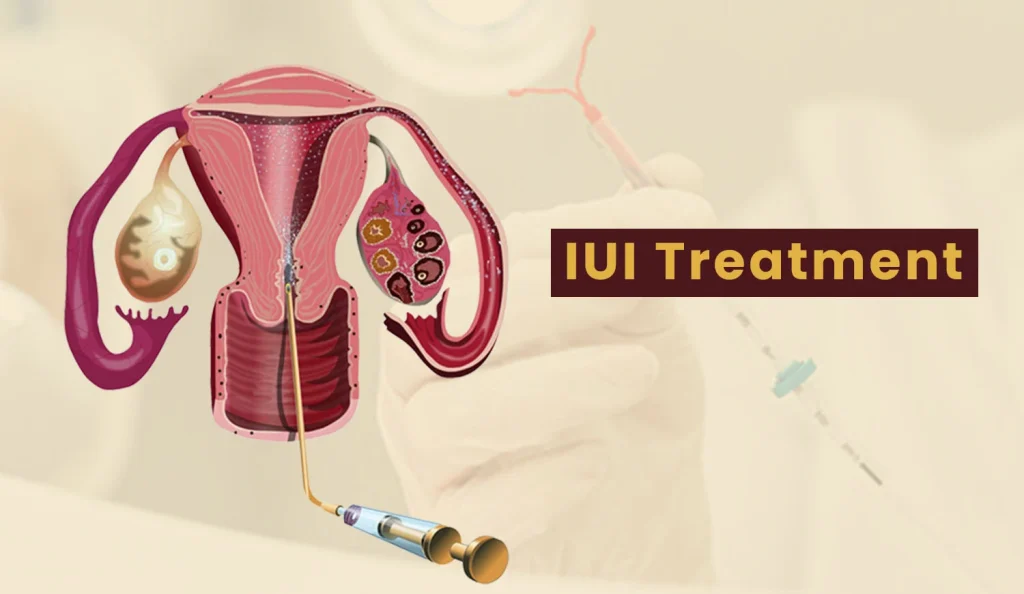
    illustration of the uterus and ovaries with a syringe, labeled "IUI Treatment" in the background

    A Modern Approach: Fertility Tracking Apps and Their Benefits

    4. Personalized Recommendations: Many fertility tracking apps also offer personalized recommendations based on the user’s data. This can include advice on how to improve fertility, lifestyle changes, and even product recommendations. These personalized recommendations can be beneficial for women who are trying to conceive or those who are looking for ways to better understand their bodies.

    5. Helps with Birth Control: Fertility tracking apps can also be used as a form of natural birth control. By tracking ovulation and predicting fertile days, women can avoid intercourse during these times to prevent pregnancy. This method, known as the fertility awareness method, has been found to be up to 99% effective when used correctly.

    6. Allows for Better Communication with Healthcare Providers: Fertility tracking apps also allow women to track and monitor their reproductive health and share this information with their healthcare providers. This can be especially helpful for women who are struggling with infertility or other reproductive health issues. The data collected by the app can provide valuable insights to healthcare providers and aid in diagnosis and treatment.

    7. Promotes Self-Awareness and Empowerment: Fertility tracking apps promote self-awareness and empower women to take control of their reproductive health. By tracking their cycles and understanding their bodies, women can make informed decisions about their fertility and reproductive health. It also allows them to be more involved in their own healthcare and feel more in control of their bodies.

    In conclusion, fertility tracking apps offer numerous benefits for women looking to conceive or better understand their reproductive health. These apps use technology to make the process of tracking menstrual cycles and predicting fertile days more accurate, convenient, and personalized. They also promote self-awareness and empowerment, allowing women to take control of their fertility and reproductive health. With the increasing use of technology in the field of healthcare, fertility tracking apps are a modern approach that can positively impact women’s reproductive health.

    Summary: Fertility tracking apps use technology to accurately predict fertile days, understand menstrual cycles, and provide personalized recommendations for women. They are convenient, user-friendly, and can be used for natural birth control. They also promote self-awareness and empower women to take control of their reproductive health.

  • The Evolution of Fertility Tracking: Apps vs Traditional Methods

    The Evolution of Fertility Tracking: Apps vs Traditional Methods

    Fertility tracking has been a practice for centuries, with women using various methods to track their menstrual cycles and identify ovulation to increase their chances of conception. However, with the advancement of technology, there has been a significant shift in how women track their fertility. Traditional methods like tracking basal body temperature and cervical mucus have been replaced by fertility tracking apps, which offer convenience and accuracy. In this blog post, we will explore the evolution of fertility tracking from traditional methods to the rise of fertility tracking apps.

    Traditional Methods of Fertility Tracking

    Before the advent of fertility tracking apps, women relied on traditional methods to track their menstrual cycles and ovulation. These methods include tracking basal body temperature, cervical mucus, and using ovulation predictor kits. Tracking basal body temperature involves taking your temperature every morning before getting out of bed and noting any changes. An increase in temperature signals that ovulation has occurred. Similarly, tracking cervical mucus involves observing changes in vaginal discharge throughout the menstrual cycle. Cervical mucus becomes thin, clear, and stretchy around ovulation, indicating the most fertile days. Ovulation predictor kits, on the other hand, detect the surge of luteinizing hormone, which occurs about 24-36 hours before ovulation.

    While these traditional methods have been used for a long time, they have several drawbacks. Firstly, they require a lot of manual effort and consistency, which can be challenging for busy women. Secondly, they rely on interpretation and observation, which can be subjective and prone to errors. Finally, these methods do not take into account individual variations in menstrual cycles, making them less accurate for some women.

    The Rise of Fertility Tracking Apps

    With the widespread use of smartphones, fertility tracking apps have become increasingly popular among women. These apps use advanced algorithms and data input by the user to predict ovulation and fertility windows. They offer a range of features, including period tracking, ovulation prediction, and fertility advice. Fertility tracking apps also allow women to input additional data, such as mood, stress levels, and sexual activity, to provide a more accurate prediction.

    One of the main advantages of fertility tracking apps is convenience. They eliminate the need for manual tracking, making it easier for women to monitor their menstrual cycles. These apps also offer a more comprehensive and personalized approach to fertility tracking. With data input by the user, they can account for individual variations in menstrual cycles, making them more accurate than traditional methods.

    Additionally, these apps offer a range of features that can benefit women trying to conceive. They can track ovulation, fertility windows, and even provide tips on the best time to have intercourse for conception. Some apps also offer personalized advice based on the user’s data, helping women understand their fertility better.

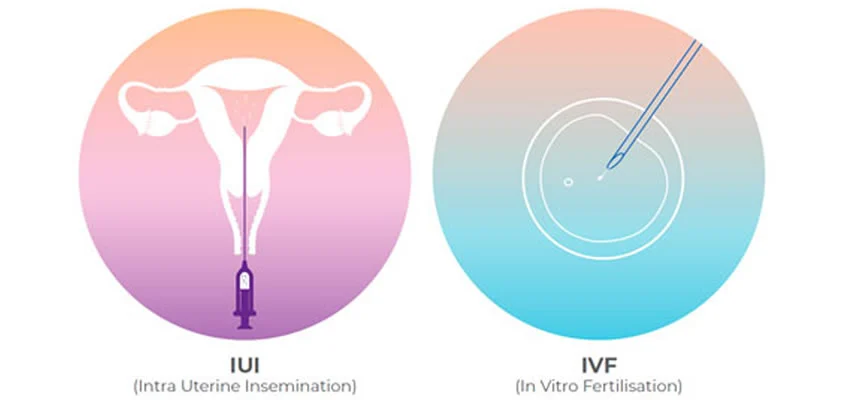
    comparison of IUI and IVF procedures illustrated with simple graphics and labels

    The Evolution of Fertility Tracking: Apps vs Traditional Methods

    Challenges and Controversies

    Despite their popularity, fertility tracking apps have faced some challenges and controversies. One of the main criticisms is the lack of regulation and accuracy of these apps. Unlike medical devices, fertility tracking apps are not regulated, and their accuracy has not been scientifically validated. This has led to concerns about the reliability of their predictions, especially for women trying to avoid pregnancy.

    Moreover, fertility tracking apps rely on the user’s input, making them susceptible to user error. If the data entered is incorrect or inconsistent, the app’s predictions may be inaccurate, leading to potential issues for those trying to conceive or avoid pregnancy.

    Another concern is the privacy and security of user data. Fertility tracking apps collect a significant amount of personal information, including menstrual cycles, sexual activity, and even mood. There have been instances of data breaches and the selling of user data to third parties, raising questions about the safety of these apps.

    The Future of Fertility Tracking

    As technology continues to advance, we can expect to see further evolution of fertility tracking methods. Some companies are already developing wearable devices that can track fertility by monitoring physiological changes in the body. These devices offer a more accurate and convenient option for women looking to track their fertility.

    Moreover, there is a growing demand for more scientifically validated fertility tracking apps. Some companies are working towards obtaining FDA approval for their apps, which would provide users with more confidence in their accuracy and reliability.

    Summary:

    Fertility tracking has evolved significantly over the years, from traditional methods like tracking basal body temperature and cervical mucus to the rise of fertility tracking apps. While traditional methods require a lot of manual effort and are prone to errors, fertility tracking apps offer convenience and a more personalized approach to tracking fertility. However, these apps have faced challenges and controversies, such as the lack of regulation and accuracy, user error, and privacy concerns. As technology advances, we can expect to see further developments in fertility tracking methods, including wearable devices and more scientifically validated apps.

  • The Impact of Culture and Religion on At-Home vs Clinic Intrauterine Insemination

    Blog Post:

    Intrauterine insemination (IUI) is a fertility treatment option for couples struggling to conceive. This procedure involves placing sperm directly into a woman’s uterus to increase the chances of fertilization. While IUI can be performed at home or in a clinic, the decision of where to do the procedure can be influenced by both culture and religion. In this blog post, we will explore the impact of culture and religion on at-home vs clinic intrauterine insemination and how it can affect a couple’s decision-making process.

    Culture plays a significant role in shaping our beliefs and values, and it can greatly impact our decisions regarding fertility treatments. In some cultures, there is a strong emphasis on privacy and modesty, making at-home insemination a more appealing option. This is especially true for couples who come from traditional backgrounds, where discussing fertility issues and seeking medical help may be seen as taboo. Additionally, in cultures where the family unit is highly valued and fertility is a matter of pride, at-home insemination may be preferred as it allows for more involvement from family members and a sense of control over the process.

    On the other hand, in more progressive cultures, there may be less stigma surrounding fertility treatments, and couples may feel more comfortable seeking medical help in a clinical setting. This can also be influenced by the level of education and awareness about fertility treatments in a particular culture. If there is a better understanding and acceptance of medical interventions, couples may opt for clinic insemination as it is seen as a more legitimate and effective option.

    Religion is another important factor that can influence a couple’s decision between at-home and clinic insemination. In some religions, such as Catholicism, there may be strict guidelines and beliefs regarding assisted reproductive technologies. This can make at-home insemination a more viable option for couples who are facing religious restrictions on fertility treatments. On the other hand, some religions may have a more liberal approach towards fertility treatments, making clinic insemination a more acceptable option for couples.

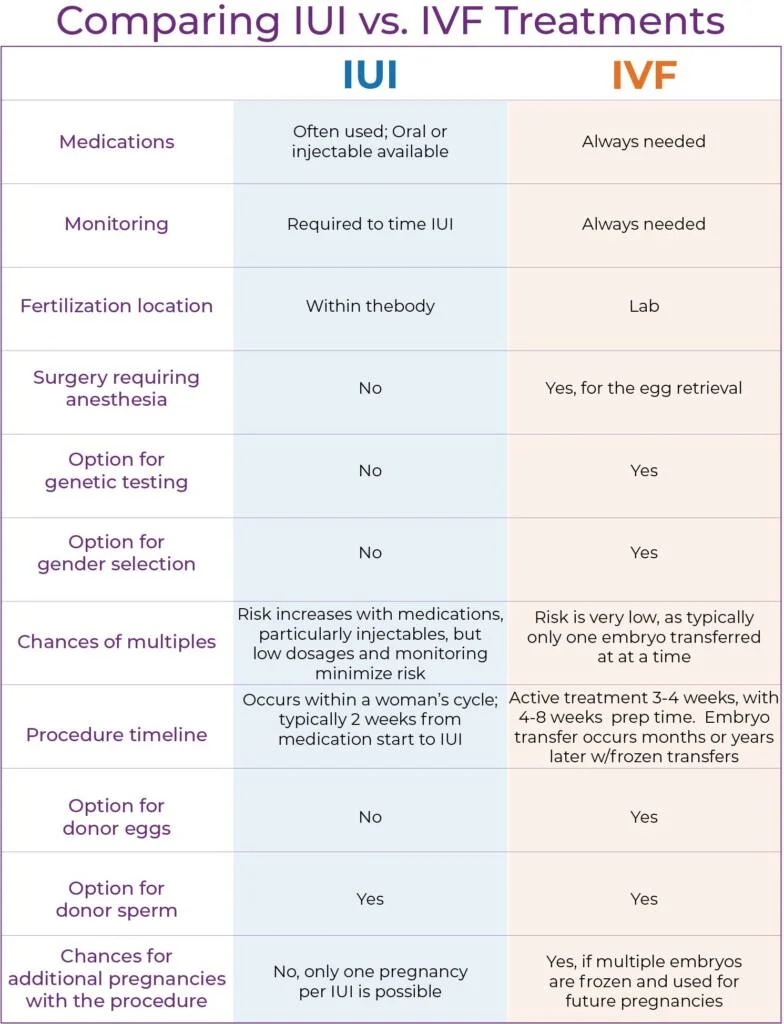
    Comparison chart of IUI and IVF treatments, detailing medications, monitoring, procedures, and success rates.

    The Impact of Culture and Religion on At-Home vs Clinic Intrauterine Insemination

    Another aspect to consider is the role of the male partner in the insemination process. In some cultures and religions, there is a strong belief that the male partner should be present during the conception of a child. This can make at-home insemination a more appealing option, as it allows for the male partner to be directly involved in the process. On the other hand, in cultures and religions where male dominance is prevalent, the decision of where to do the insemination may be solely left to the male partner, and he may opt for a clinical setting.

    Apart from cultural and religious factors, there are also practical considerations when choosing between at-home and clinic insemination. At-home insemination offers more privacy and convenience, as it can be done in the comfort of one’s home without the need for frequent visits to a medical facility. It also allows for a more intimate and personal experience for the couple. However, at-home insemination may not be as effective as clinic insemination, as it does not involve the use of advanced medical technology and monitoring.

    Clinic insemination, on the other hand, offers more accuracy and control over the insemination process. It involves the use of medical equipment and expertise, which can increase the chances of success. Additionally, clinic insemination allows for the monitoring of the woman’s cycle and can be combined with other fertility treatments if needed. However, it can be a more costly option and may require multiple visits to the clinic, which can be inconvenient for some couples.

    In conclusion, the decision between at-home and clinic insemination is a personal one and can be influenced by various cultural, religious, and practical factors. While at-home insemination may be preferred by some couples due to privacy, modesty, and cultural beliefs, others may opt for clinic insemination for its accuracy and effectiveness. It is essential for couples to have open and honest discussions about their beliefs, values, and preferences when making this decision. Consulting with a medical professional and seeking guidance from a trusted spiritual or cultural advisor can also be helpful in making an informed decision.

    Summary:

    Intrauterine insemination (IUI) is a fertility treatment option that can be performed at home or in a clinic. The decision between the two can be influenced by cultural and religious factors, as well as practical considerations. In some cultures, there may be a preference for at-home insemination due to privacy and modesty, while in more progressive cultures, clinic insemination may be seen as a more legitimate option. Religion can also play a role in the decision, with some religions having strict guidelines on assisted reproductive technologies. The role of the male partner and practical considerations such as cost and effectiveness are also important to consider. Ultimately, it is crucial for couples to have open and honest discussions and seek guidance from medical and spiritual advisors when making the decision between at-home and clinic insemination.

  • The Role of Natural Fertility Methods in At-Home Intrauterine Insemination

    Blog Post:

    The desire to have a child is an innate human instinct that is shared by many individuals and couples. However, for some, conceiving a child may not come as easily as they had hoped. This can lead to feelings of frustration, disappointment, and even heartbreak. While there are various medical procedures and treatments available to assist in conception, they can often be expensive, invasive, and emotionally taxing. As a result, many people are turning to natural fertility methods and at-home intrauterine insemination (IUI) as a more affordable and less invasive option. In this blog post, we will explore the role of natural fertility methods in at-home IUI and how they can increase the chances of successful conception.

    Natural fertility methods, also known as fertility awareness methods or natural family planning, involve tracking and monitoring a woman’s menstrual cycle to determine the most fertile days for conception. This can be done through various methods such as tracking basal body temperature, cervical mucus changes, and ovulation predictor kits. These methods are based on the understanding that a woman is most fertile during her ovulation period, which is when the egg is released from the ovary.

    At-home IUI, on the other hand, is a procedure that involves placing prepared sperm directly into the uterus using a catheter. This bypasses the need for sperm to travel through the cervix and into the uterus, increasing the chances of fertilization. While IUI is traditionally done in a medical setting, there are now at-home kits available that make it possible for couples to perform the procedure themselves in the comfort of their own home.

    So, what is the role of natural fertility methods in at-home IUI? Let’s delve deeper into the benefits and effectiveness of combining these two approaches.

    1. Increased Timing Accuracy:

    One of the main advantages of using natural fertility methods in at-home IUI is the increased accuracy in timing. By tracking and monitoring the woman’s menstrual cycle, couples can pinpoint the most fertile days for conception. This can significantly increase the chances of success as the sperm is introduced into the uterus during the optimal time for fertilization.

    2. Lower Cost:

    Traditional IUI procedures can be expensive, especially when multiple attempts are needed. At-home IUI kits, on the other hand, are relatively affordable and can save couples thousands of dollars. This makes it a more accessible option for those who may not be able to afford costly medical treatments.

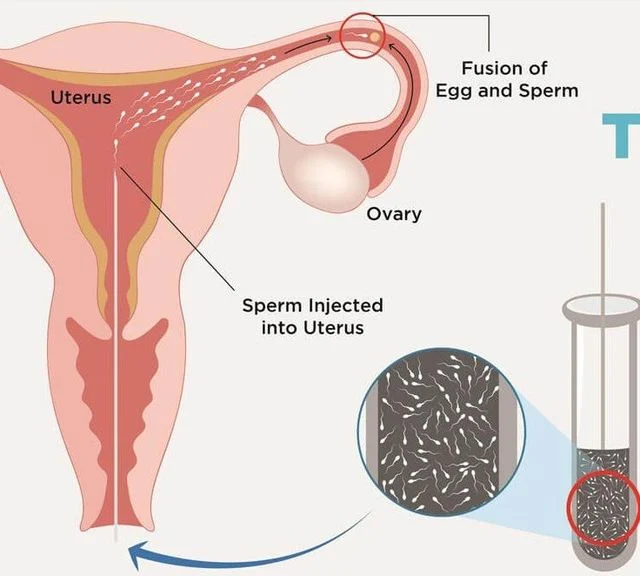
    Diagram illustrating the IUI process, showing sperm injection into the uterus and egg fertilization.

    The Role of Natural Fertility Methods in At-Home Intrauterine Insemination

    3. Less Invasive:

    At-home IUI is a minimally invasive procedure, which can be a more comfortable and less stressful experience for couples. Unlike traditional IUI, there is no need for frequent visits to a medical facility, reducing the risk of infections and other complications. This also allows couples to have more control over the process and make it a more intimate and personal experience.

    4. Higher Success Rates:

    Combining natural fertility methods and at-home IUI can significantly increase the chances of successful conception. By tracking the woman’s fertile window and using the at-home IUI kit during that time, couples can optimize their chances of fertilization. Additionally, the relaxed and comfortable environment of the home can also contribute to a more successful outcome.

    5. Empowerment and Involvement:

    For couples struggling with infertility, it can be a very emotional and isolating experience. By utilizing natural fertility methods and performing at-home IUI, couples can feel more empowered and involved in the process. This can help alleviate some of the stress and anxiety associated with trying to conceive and promote a sense of teamwork between partners.

    However, it is essential to note that at-home IUI may not be suitable for everyone. It is crucial to consult with a medical professional to determine if this method is right for you and to ensure that you are following the correct procedure and using sterile equipment.

    In conclusion, the combination of natural fertility methods and at-home IUI can be a promising option for couples struggling with conception. It offers a more affordable, less invasive, and potentially more successful alternative to traditional medical treatments. By tracking and monitoring the woman’s menstrual cycle and performing the procedure during the fertile window, couples can optimize their chances of successful conception. However, it is essential to seek guidance from a medical professional and to follow proper protocols to ensure safety and effectiveness.

    Summary:

    The desire to have a child is universal, but for some, it may not come as easily. Traditional medical treatments for infertility can be expensive, invasive, and emotionally taxing. As a result, many couples are turning to natural fertility methods and at-home intrauterine insemination (IUI) as a more affordable and less invasive option. By tracking and monitoring the woman’s menstrual cycle and performing the procedure during the fertile window, this approach can increase the chances of successful conception. Additionally, at-home IUI can be a more empowering and involving experience for couples. However, it is essential to consult with a medical professional and follow proper protocols for safety and effectiveness.

  • The Ethics of At-Home Intrauterine Insemination: A Moral Dilemma?

    Blog Post:

    In recent years, there has been a growing trend towards at-home intrauterine insemination (IUI) as a method of assisted reproduction. This process involves collecting sperm from a donor or partner and inserting it into the uterus using a syringe. While some may see this as a convenient and cost-effective option, it raises ethical concerns and moral dilemmas. In this blog post, we will explore the ethics of at-home IUI and the potential implications for individuals and society.

    The Rise of At-Home IUI

    With the rising costs of fertility treatments and the desire for more control and privacy, at-home IUI has become an appealing option for many couples and individuals. The availability of online sperm donors and the ease of purchasing insemination kits have made it possible for individuals to perform IUI in the comfort of their own homes. This has also opened up the possibility for same-sex couples and single individuals to conceive and start a family.

    Ethical Concerns

    While at-home IUI may seem like a simple and harmless process, it raises several ethical concerns. The first and most obvious issue is the lack of medical supervision. Unlike in a clinic setting where a trained medical professional performs the insemination, at-home IUI is done without any medical supervision. This can be dangerous as there is a risk of infection or injury if the procedure is not done correctly.

    Another concern is the potential exploitation of sperm donors. In traditional fertility clinics, strict screening processes are in place to ensure the health and well-being of both the donor and the recipient. However, with at-home IUI, there is no guarantee that the donor has been properly screened for any genetic or infectious diseases. This could put the recipient and any resulting offspring at risk.

    Moral Dilemmas

    The use of at-home IUI also raises moral dilemmas for individuals and society as a whole. One of the most significant concerns is the impact on the child’s right to know their biological parent. In traditional fertility treatments, donors are often anonymous, and the child may never know their genetic origins. With at-home IUI, the donor may be known to the recipient, but there is no guarantee that they will disclose this information to the child. This could create confusion and identity issues for the child in the future.

    There is also the issue of informed consent. In a clinical setting, both the donor and recipient go through extensive counseling and are required to sign legal documents before the process can proceed. However, with at-home IUI, there is no such requirement, and the recipient may not fully understand the implications of using donor sperm, such as potential legal and financial responsibilities.

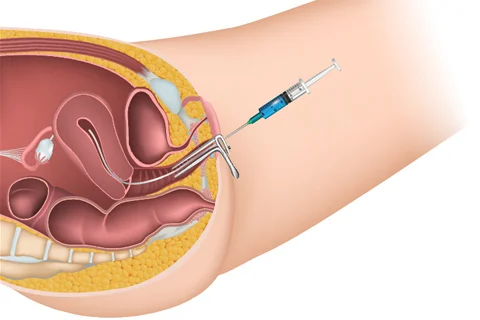
    illustration of intrauterine insemination procedure with a syringe and catheter in the uterus.

    The Ethics of At-Home Intrauterine Insemination: A Moral Dilemma?

    Societal Impact

    The rise of at-home IUI also has implications for society as a whole. It challenges traditional notions of family and parenthood, and some may argue that it undermines the importance of a father figure. It also raises questions about the commodification of human reproduction and the potential for a market for donor sperm.

    Furthermore, the lack of regulation and oversight in at-home IUI could have consequences for the children born through this method. As there is no requirement for medical or genetic screening, there is a risk of passing on hereditary diseases or genetic disorders to future generations.

    The Need for Regulation

    The ethical concerns and moral dilemmas surrounding at-home IUI highlight the need for stricter regulations and oversight. While individuals have the right to make choices about their reproductive options, there must be safeguards in place to protect the well-being of all parties involved. This includes proper screening of donors, counseling for recipients, and medical supervision during the insemination process.

    Moreover, there needs to be a clear legal framework in place to address issues such as donor rights and responsibilities, parental rights, and the child’s right to know their biological origins. Without proper regulations, at-home IUI could have far-reaching consequences for individuals, families, and society as a whole.

    Conclusion

    In conclusion, at-home IUI raises significant ethical concerns and moral dilemmas. While it may provide a convenient and cost-effective option for assisted reproduction, the lack of regulation and oversight poses potential risks for individuals and society. It is essential to consider the implications of at-home IUI and to have proper regulations in place to ensure the well-being of all parties involved.

    Summary:

    At-home intrauterine insemination (IUI) has become a popular option for assisted reproduction, but it raises ethical concerns and moral dilemmas. The lack of medical supervision and potential exploitation of donors are major concerns, along with the impact on the child’s right to know their biological parent and the commodification of human reproduction. The rise of at-home IUI also challenges traditional notions of family and parenthood and calls for stricter regulations and oversight to protect the well-being of all parties involved. It is essential to consider the implications of at-home IUI and have proper regulations in place to ensure the well-being of individuals, families, and society as a whole.

  • The Psychological Impact on Same-Sex Couples: At-Home vs Clinic Intrauterine Insemination

    Blog Post:

    The Psychological Impact on Same-Sex Couples: At-Home vs Clinic Intrauterine Insemination

    In recent years, there has been a significant rise in the number of same-sex couples seeking to start a family through intrauterine insemination (IUI). IUI is a fertility treatment that involves placing sperm directly into a woman’s uterus to increase the chances of fertilization. However, for same-sex couples, the process of IUI can be emotionally and psychologically challenging. This is due to the fact that same-sex couples have to navigate through a different set of challenges compared to heterosexual couples, such as choosing between at-home or clinic IUI. In this blog post, we will delve into the psychological impact that same-sex couples experience when choosing between at-home and clinic IUI.

    At-Home IUI:

    At-home IUI involves the process of collecting sperm from a donor and then inserting it into the woman’s uterus using a syringe. This process is often done in the comfort and privacy of the couple’s own home. Many same-sex couples opt for at-home IUI as it is a more affordable and convenient option. However, despite its advantages, at-home IUI can also have a significant psychological impact on same-sex couples.

    One of the main psychological challenges faced by same-sex couples during at-home IUI is the loss of privacy. Unlike heterosexual couples, same-sex couples have to involve a third party in the process, either through a sperm donor or a known donor. This can be a stressful and emotionally taxing experience, as it involves opening up to someone about their personal and intimate desire to start a family. This lack of privacy can also lead to feelings of vulnerability and discomfort, as the couple may have to disclose their sexual orientation to a stranger.

    comparison of IUI and IVF procedures illustrated with simple graphics and labels

    The Psychological Impact on Same-Sex Couples: At-Home vs Clinic Intrauterine Insemination

    Another psychological impact of at-home IUI is the pressure to perform the procedure correctly. As at-home IUI is a do-it-yourself method, same-sex couples may feel the pressure to get it right in order to achieve a successful pregnancy. This can cause added stress and anxiety, which can further impact the couple’s emotional well-being. In some cases, the pressure to succeed can also put a strain on the relationship, as one partner may feel more responsible for the success or failure of the procedure.

    Clinic IUI:

    Clinic IUI, on the other hand, involves the process of collecting sperm from a donor and then inserting it into the woman’s uterus in a clinical setting. This is typically done by a medical professional, and the success rates of clinic IUI are generally higher compared to at-home IUI. However, the psychological impact of clinic IUI on same-sex couples can also be significant.

    One of the main psychological challenges faced by same-sex couples during clinic IUI is the fear of discrimination. Unfortunately, discrimination against the LGBTQ+ community still exists in many parts of the world. This fear of discrimination can be especially prevalent in a clinical setting, where the couple may have to disclose their sexual orientation to medical professionals who may not be accepting or understanding. This fear can cause anxiety and stress, making the experience of clinic IUI more challenging for same-sex couples.

    Another psychological impact of clinic IUI is the financial burden. Unlike at-home IUI, clinic IUI can be a more expensive option for same-sex couples. This can cause added stress and financial strain, as the couple may have to go through multiple cycles of clinic IUI to achieve a successful pregnancy. This financial burden can also add to the pressure and anxiety already experienced by the couple.

    Summary:

    In conclusion, the decision between at-home and clinic IUI can have a significant psychological impact on same-sex couples. Both options come with their own set of challenges, whether it be the loss of privacy and pressure to perform correctly in at-home IUI, or the fear of discrimination and financial burden in clinic IUI. It is essential for same-sex couples to consider these factors and seek support from a therapist or counselor to navigate through the emotional challenges of IUI. By acknowledging and addressing these psychological impacts, same-sex couples can better prepare themselves for the journey of starting a family through intrauterine insemination.

  • The Importance of Patience: At-Home vs Clinic Intrauterine Insemination

    Blog Post: The Importance of Patience: At-Home vs Clinic Intrauterine Insemination

    Intrauterine insemination (IUI) is a popular fertility treatment option for couples who are struggling to conceive. It involves placing sperm directly into a woman’s uterus, increasing the chances of fertilization. While many people opt for in-clinic IUI, there is also the option of at-home insemination. Both methods have their own benefits and drawbacks, but one aspect that is crucial for success in either option is patience.

    Patience is often overlooked when it comes to fertility treatments, but it plays a significant role in the success of IUI. In this blog post, we will discuss the importance of patience in both at-home and clinic intrauterine insemination.

    At-Home Insemination: A Test of Patience

    At-home insemination involves collecting sperm from a partner or a sperm donor and using a syringe or a device called a cervical cap to place it into the vagina or near the cervix. It can be a more convenient and private option for couples who do not want to go through the process of in-clinic IUI. However, it requires a great deal of patience and attention to detail.

    Timing is crucial in at-home insemination, as the sperm needs to be inseminated during the woman’s ovulation window for the best chances of fertilization. This requires tracking ovulation using tools such as ovulation predictor kits or fertility tracking apps. It can be a stressful and time-consuming process, as women may need to track their cycles for several months before successfully timing the insemination.

    Moreover, at-home insemination also requires patience in terms of the results. Unlike in-clinic IUI, where the sperm is directly placed into the uterus, at-home insemination relies on the sperm traveling through the cervix and into the uterus on its own. This process can take up to 6 hours, and the couple may not know if the insemination was successful until they take a pregnancy test two weeks later. This waiting period can be emotionally challenging, and it is crucial to remain patient and optimistic during this time.

    Clinic Intrauterine Insemination: A Test of Patience and Trust

    In-clinic IUI involves a series of steps, including monitoring the woman’s ovulation, preparing the sperm sample, and placing it directly into the uterus using a catheter. The process is more controlled and has a higher success rate compared to at-home insemination. However, it also requires a great deal of patience and trust in the medical team.

    Diagram illustrating intrauterine insemination (IUI) procedure with sperm injection into the uterus.

    The Importance of Patience: At-Home vs Clinic Intrauterine Insemination

    The timing of the sperm placement is crucial, and it needs to be done at the perfect time during the woman’s ovulation. This requires regular ultrasounds and blood tests to track the growth of the follicles and the levels of hormones in the body. This process can take several weeks, and it requires patience and trust in the medical team to make the right decisions at the right time.

    Moreover, the success of in-clinic IUI also relies on patience during the two-week wait for the pregnancy test. While the chances of success are higher compared to at-home insemination, there is still no guarantee of pregnancy. It is crucial to remain patient and trust the process, as the body needs time to adjust and implant the fertilized egg.

    The Importance of Patience in IUI

    Whether it is at-home or clinic insemination, patience is a crucial element for success. Insemination is not a one-time solution, and it often requires multiple attempts before achieving a pregnancy. It is essential to have realistic expectations and trust the process, no matter which option you choose.

    Patience is also crucial in maintaining a healthy mindset during the fertility journey. It can be an emotional rollercoaster, and it is normal to feel anxious, frustrated, and stressed. However, practicing patience and remaining optimistic can make the journey more bearable and increase the chances of success.

    Additionally, patience is also essential in the overall health and well-being of the couple. Fertility treatments can be physically and emotionally draining, and it is crucial to give the body time to rest and recover between attempts. Rushing the process and being impatient can lead to burnout and potential health issues.

    In conclusion, patience is a vital component in the success of both at-home and clinic intrauterine insemination. It requires patience in timing, results, and trust in the process. It is also essential for maintaining a healthy mindset and overall well-being. No matter which option you choose, remember to practice patience and trust the journey.

    Summary:

    Intrauterine insemination (IUI) is a popular fertility treatment option, with the choice of at-home or clinic insemination. Both methods require patience for success. At-home insemination requires patience in timing and waiting for results, while in-clinic IUI requires patience in trusting the medical team and the two-week wait. Patience is also crucial for maintaining a healthy mindset and overall well-being. It is a test of patience, but it can lead to a successful pregnancy.

  • The Role of Stress Management in At-Home vs Clinic Intrauterine Insemination

    Blog Post Title: The Role of Stress Management in At-Home vs Clinic Intrauterine Insemination

    Summary:

    Intrauterine insemination (IUI) is a commonly used fertility treatment for couples struggling to conceive. While the procedure itself is relatively simple, the process of undergoing IUI can be emotionally and physically taxing. Stress is a common factor in fertility struggles, and it can greatly impact the success of IUI. This blog post will explore the role of stress management in at-home versus clinic IUI and how it can affect the outcome.

    At-Home IUI and Stress Management:

    At-home IUI involves the use of a special kit provided by a fertility clinic that allows couples to administer the procedure themselves in the comfort of their own home. While this may seem like a less stressful option, the reality is that the process can still be overwhelming for many couples. The pressure to get the timing right, the fear of failure, and the financial investment can all contribute to increased stress levels.

    One of the most effective ways to manage stress during at-home IUI is to have a thorough understanding of the process and the necessary steps involved. This includes knowing how to properly use the kit, how to track ovulation, and when to perform the procedure. Having a clear plan and feeling prepared can help alleviate some of the anxiety associated with at-home IUI.

    Another important aspect of stress management during at-home IUI is communication with your partner. Going through fertility treatments can be emotionally draining, and it’s crucial to have a strong support system. Communicating openly and honestly with your partner can help alleviate any added stress and create a sense of unity and understanding throughout the process.

    Clinic IUI and Stress Management:

    Clinic IUI, on the other hand, involves undergoing the procedure at a fertility clinic under the supervision of a healthcare professional. While this may seem like a more controlled and less stressful option, the reality is that clinic IUI comes with its own set of stressors. These can include the need to take time off work, the pressure of being in a clinical setting, and the fear of judgment from others.

    Illustration of the uterus with a syringe, depicting the intrauterine insemination procedure.

    The Role of Stress Management in At-Home vs Clinic Intrauterine Insemination

    One of the primary benefits of undergoing IUI in a clinic setting is the access to support and resources. Fertility clinics often offer counseling services to help couples cope with the emotional toll of fertility treatments. Additionally, having a team of healthcare professionals to guide and support you can help alleviate some of the stress associated with clinic IUI.

    Stress Management Techniques for IUI:

    Regardless of whether you choose at-home or clinic IUI, incorporating stress management techniques into your daily routine is crucial for a successful outcome. These can include relaxation techniques such as meditation, deep breathing, or yoga. Exercise can also be a great way to manage stress and improve overall well-being.

    Seeking support from friends and family can also play a significant role in reducing stress levels during IUI. Having a strong support system can provide emotional support and help you cope with the ups and downs of the process.

    It’s also vital to prioritize self-care during this time. Taking time for yourself to do things you enjoy can help reduce stress and improve your overall mood. This can include activities such as reading, listening to music, or spending time in nature.

    The Impact of Stress on IUI Success:

    Stress has been shown to have a significant impact on fertility and the success of IUI. Studies have found that high levels of stress can affect hormone levels, disrupt ovulation, and decrease sperm quality. Additionally, stress can also lead to unhealthy coping mechanisms such as smoking, excessive drinking, or poor eating habits, which can all negatively affect fertility.

    Managing stress during IUI not only improves your overall well-being, but it can also increase the chances of a successful outcome. By reducing stress levels, the body is in a more optimal state for conception, making it more likely for IUI to be successful.

    In conclusion, stress management plays a crucial role in the success of IUI, whether it’s done at home or in a clinic setting. By incorporating stress management techniques into your daily routine and seeking support from loved ones and healthcare professionals, you can improve your overall well-being and increase the chances of a successful outcome. Remember to prioritize self-care, communicate openly with your partner, and stay informed about the process to alleviate stress and improve your chances of conceiving through IUI.